

Need premium SEMI HUSKED COCONUT FOR DESICCATED COCONUT production? Sukatani Group is your trusted partner from Indonesia. We specialize in supplying fresh, export-grade Semi Husked Coconuts sourced from fertile plantations across the archipelago. Each coconut is hand-selected and naturally processed to ensure consistent quality for desiccated coconut manufacturing.
With a solid export record to China, Thailand, and Vietnam, we offer dependable quality, professional documentation, and competitive CIF or FOB pricing. Our products are ready for shipment in 40-feet containers, ensuring efficiency and freshness upon arrival. We Are The Best Indonesia semi husked coconut exporter.
📞 Contact Sukatani Group
WhatsApp: +62 811 7810 991
📍 Address: Jalan Karya Baru, Palembang, Indonesia
🌍 Collection Point: KM 50 Tanjung Api-Api, Banyuasin, South Sumatra

The Growing Potential of Semi Husked Coconut for Desiccated Coconut Production
When it comes to sourcing high-quality raw materials for the desiccated coconut industry, one of the most essential components is the semi husked coconut for desiccated coconut processing. This type of coconut, known for its balanced moisture level and natural fiber protection, is ideal for large-scale production and global export. With rising global demand for desiccated coconut, understanding the advantages, processing, and market relevance of semi husked coconuts is essential for producers, exporters, and investors.
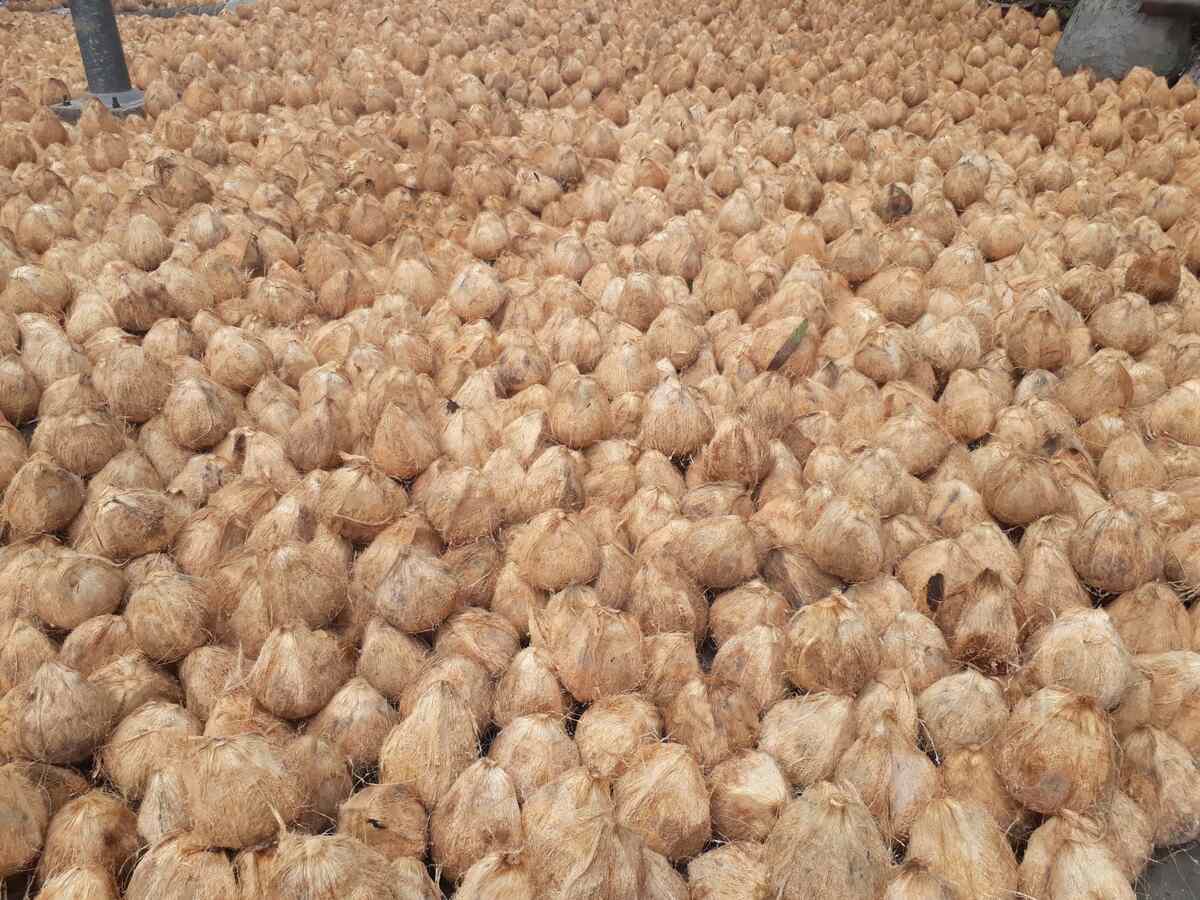
1. What is a Semi Husked Coconut?
A semi husked coconut for desiccated coconut is a mature coconut that retains part of its husk, typically the lower fiber layer that protects the shell. This partial husk serves a dual purpose:
- It extends shelf life during transport and storage.
- It protects the coconut meat from physical damage and dehydration.
The semi husked form is especially popular for export because it balances durability with efficiency — the husk provides protection without adding unnecessary bulk or weight.
2. Why Use Semi Husked Coconut for Desiccated Coconut Production?
The semi husked coconut for desiccated coconut industry has gained immense traction because of its multiple advantages:
- High Meat Yield:
Semi husked coconuts have a thick kernel that offers excellent output for desiccation. - Better Preservation:
The partial husk prevents microbial infection and preserves freshness, essential for processing high-quality desiccated coconut. - Ease of Dehusking at the Factory:
Factories can easily remove the remaining husk before grating and drying the coconut meat. - Reduced Transport Damage:
The husk acts as a natural cushion, protecting the coconuts during long-distance export.
These factors make semi husked coconuts the preferred raw material for desiccated coconut manufacturers worldwide.
3. Understanding the Desiccated Coconut Industry
Desiccated coconut is the dried, shredded form of coconut meat used in confectionery, bakery, and culinary applications globally. The global market has grown steadily due to increasing consumer demand for plant-based and natural ingredients.
According to trade data, the semi husked coconut for desiccated coconut segment plays a pivotal role in supporting this industry because it ensures a consistent and quality supply chain for coconut processors.
4. The Processing Journey from Semi Husked Coconut to Desiccated Coconut
Let’s explore the step-by-step transformation process of semi husked coconut manufacturing:
- Dehusking:
The remaining husk is fully removed to access the hard shell. - Shell Removal:
Workers or automated machines crack the shell to reveal the white kernel. - Paring:
The brown testa (skin) is peeled off to ensure a clean, white product. - Washing:
The parings are washed thoroughly to remove impurities. - Blanching:
A short hot-water treatment is applied to remove bacteria and deactivate enzymes. - Shredding or Grating:
The coconut meat is cut or shredded into the desired size. - Drying:
The shredded coconut is dried at controlled temperatures to achieve the ideal moisture content (usually below 3%). - Cooling and Sieving:
The dried coconut is cooled and sieved to maintain uniformity in particle size. - Packaging:
Finally, it’s packed in moisture-proof bags for export or distribution.
Each stage ensures that the semi husked coconut maintains its natural flavor, aroma, and nutrition.

5. Global Market Insights and Opportunities
The semi husked coconut market is expanding rapidly due to increased demand in regions like:
- Europe: Driven by bakery and confectionery usage.
- Middle East: Growing interest in natural food ingredients.
- Asia-Pacific: Rising consumption of coconut-based snacks and desserts.
- North America: Health-conscious consumers seeking organic and natural ingredients.
With the global desiccated coconut market valued in billions of dollars, countries like Indonesia, the Philippines, and Sri Lanka are leading exporters. Their abundant coconut plantations and skilled labor force make them the backbone of the industry.
6. Why Indonesia is a Key Player
Indonesia has become a dominant force in exporting semi husked coconut due to its:
- Fertile Soil and Climate:
Ideal tropical conditions yield coconuts with high oil and meat content. - Vast Plantation Area:
Millions of hectares dedicated to coconut farming ensure a sustainable supply. - Export Infrastructure:
Ports and logistic networks are well-developed for international shipping. - Quality Control:
Exporters maintain strict grading systems to meet the quality expectations of buyers worldwide.
Indonesia’s strong agricultural background and commitment to quality make it one of the most reliable sources for semi husked coconuts in the world.
7. Business Advantages of Sourcing from Indonesia
Partnering with an Indonesian supplier of semi husked coconut brings tangible business benefits:
- Consistent Supply: Year-round production capacity.
- Competitive Pricing: Lower production costs due to abundant raw material.
- Export Experience: Many Indonesian exporters have global trade experience and certifications.
- Flexible Packaging Options: From bulk shipments to retail-ready packs.
These advantages make Indonesia a preferred sourcing hub for coconut-related industries.
8. How Semi Husked Coconuts Enhance Desiccated Coconut Quality
The semi husked coconut process is more than just convenience—it directly affects product quality. Here’s how:
- Natural Moisture Retention: The husk prevents early dehydration.
- Improved Texture: Freshly processed coconuts result in a crisp and flavorful desiccated product.
- Longer Shelf Life: Fewer chances of spoilage during transport and storage.
- Enhanced Aroma: Retains the sweet, natural coconut fragrance that buyers love.
For premium desiccated coconut brands, starting with semi husked coconuts is a non-negotiable step.
9. Sustainability and Environmental Impact
The use of semi husked coconut for desiccated coconut production also aligns with eco-friendly principles. Every part of the coconut is used:
- Husk Fibers: Turned into coir mats, ropes, or biodegradable materials.
- Shells: Used for activated carbon or as natural fuel.
- Water: Utilized in beverages or composting.
This full utilization supports sustainable production and reduces agricultural waste.
10. Conclusion: The Future of Semi Husked Coconut Industry
The semi husked coconut industry is a promising segment of the global coconut trade. As demand for plant-based, natural, and sustainable ingredients continues to grow, this product will remain essential in the global food supply chain.
With Indonesia’s unmatched coconut resources and export expertise, sourcing from a reliable supplier can ensure consistent quality and volume.
If you are looking for a trusted partner in the supply of export-grade semi husked coconuts for desiccated coconut processing, now is the best time to connect. Partner with an experienced exporter who understands international standards, ensures timely delivery, and prioritizes product excellence.
📞 Contact us today to discuss export opportunities and secure your supply of premium semi husked coconut for desiccated coconut — fresh, natural, and ready for the global market.
