

Premium Supplier of SEMI HUSKED COCONUT FOR PROCESSING PLANT. Sukatani Group proudly delivers high-quality, export-grade Semi Husked Coconuts directly sourced from Indonesia’s fertile coconut plantations.
Each coconut is hand-selected, naturally processed, and packaged for international shipment in 40-feet containers.
With established export experience to China, Thailand, and Vietnam, we ensure:
Consistent product quality
Complete and accurate documentation
📞 Contact Sukatani Group
WhatsApp: +62 811 7810 991
📍 Office: Jalan Karya Baru, Palembang, Indonesia
🌍 Collection Point: KM 50 Tanjung Api-Api, Banyuasin, South Sumatra

Why Semi Husked Coconut for Processing Plant is the Key to Efficient and Profitable Coconut Production
In the global coconut industry, efficiency and quality are the cornerstones of success. Whether the final goal is to produce coconut oil, desiccated coconut, coconut milk, or activated carbon, everything begins with one essential raw material — the semi husked coconut for processing plant. This type of coconut has proven to be the most suitable choice for large-scale production facilities due to its durability, freshness, and export-ready condition.
This article explores the benefits, characteristics, and trade opportunities surrounding semi husked coconut for processing plant, and why it’s considered a strategic asset for manufacturers and exporters around the world.
1. Understanding Semi Husked Coconuts
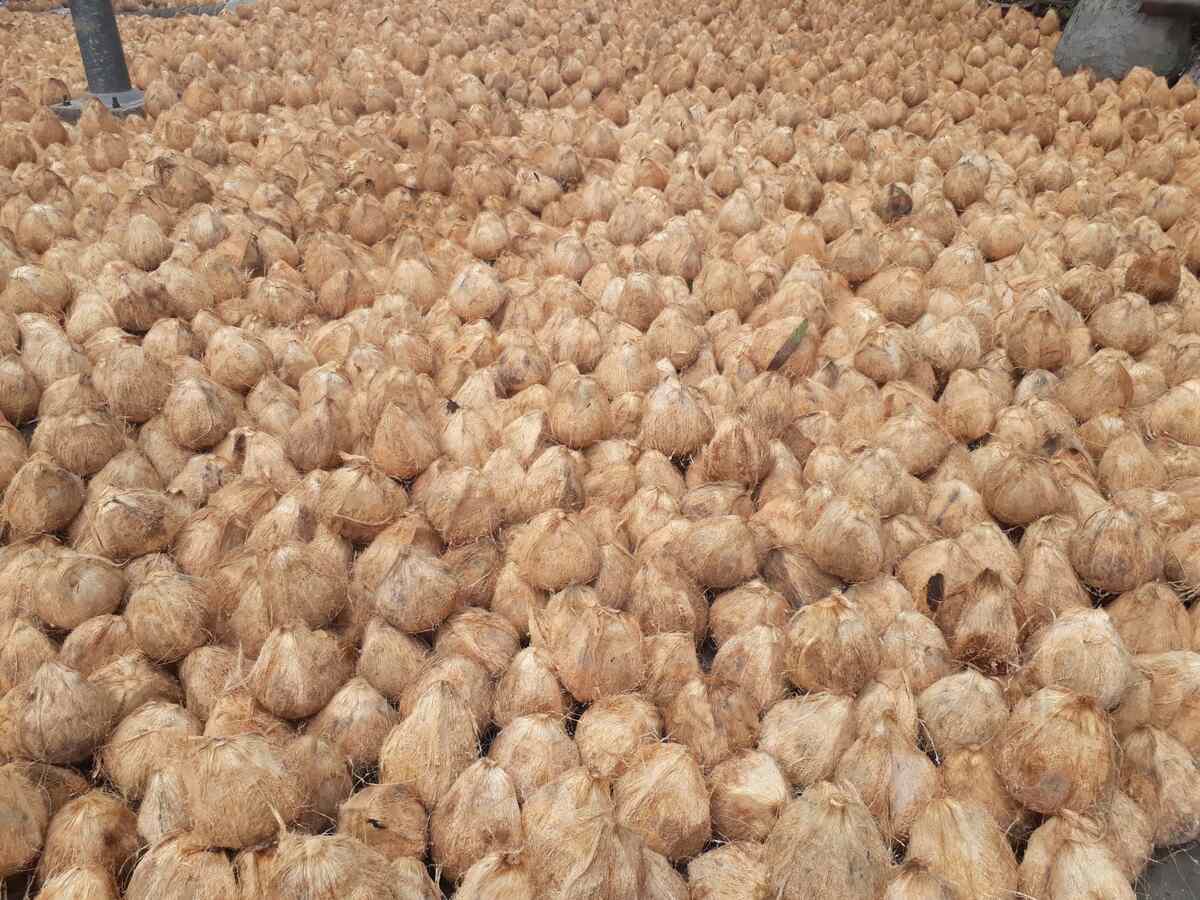
A semi husked coconut for processing plant refers to a mature coconut that has been partially dehusked — typically, only the upper husk layer is removed, while a portion remains to protect the shell.
Key Features:
- Partially retained husk: Protects the shell and prevents mechanical damage during shipping.
- Longer shelf life: The remaining husk fibers help reduce moisture loss and microbial contamination.
- Easy to process: The semi-husked form allows for quicker preparation in processing plants while maintaining coconut freshness.
Because of these characteristics, semi husked coconuts are preferred for export and industrial-scale coconut processing.
2. Why Processing Plants Prefer Semi Husked Coconuts
The demand for semi husked coconut for processing plant continues to grow because they strike the perfect balance between protection and efficiency. Processing plants across Asia, the Middle East, and Europe choose them for several key reasons:
- Reduced Post-Harvest Losses
Semi husked coconuts are less prone to mold or cracking during transportation and storage. - Maintained Freshness
The semi-husk layer maintains the internal moisture, ensuring the coconut meat stays firm and rich in oil content. - Better Value for Export
Compared to fully dehusked coconuts, the semi husked variety travels better and arrives in optimal condition for processing. - Streamlined Industrial Processing
The husk can be easily removed mechanically at the factory level, saving labor and time.
Thus, for industries that process coconuts into value-added products, semi husked coconuts are the most practical and reliable choice.
3. Applications of Semi Husked Coconut in Processing Plants
Semi husked coconuts can be processed into a wide range of commercial products. Here are the main applications:
1. Coconut Oil Extraction
- Both copra and virgin coconut oil industries rely on semi husked coconut for processing plant due to its high oil yield.
- The firm, mature meat offers excellent fat content for efficient oil extraction.
2. Desiccated Coconut Production
- The thick kernel provides high-quality grated coconut for bakery and confectionery products.
3. Coconut Milk and Cream Processing
- Freshly processed semi husked coconuts yield smooth, aromatic, and creamy coconut milk suitable for food manufacturing.
4. Coconut Flour Production
- After oil extraction, the remaining cake is used to create nutritious gluten-free coconut flour.
5. Activated Carbon and Shell Charcoal
- The hard shell of semi husked coconuts is perfect for high-quality charcoal or carbon production.
These uses demonstrate how semi husked coconut for processing plant serves as a cornerstone for diverse coconut-based industries.

4. Benefits of Using Semi Husked Coconuts in Processing Plants
Processing plants benefit greatly from the use of semi husked coconuts. Below are the top advantages:
- Efficient Raw Material Management
- The coconuts arrive in clean, uniform condition — ideal for automated processing systems.
- Reduced Spoilage
- The husk offers a natural barrier that reduces microbial contamination and extends the usable life of each coconut.
- Improved End-Product Quality
- Freshness and oil content are maintained from farm to factory, leading to premium product outcomes.
- Cost Savings on Handling and Packaging
- The semi husked form reduces breakage and waste, ensuring a higher yield per shipment.
- Eco-Friendly and Sustainable Choice
- Every part of the coconut can be utilized, reducing industrial waste.
5. The Role of Semi Husked Coconuts in Global Trade
The semi husked coconut for processing plant has become a vital export commodity in tropical countries such as Indonesia, the Philippines, Sri Lanka, and India. These nations dominate the global coconut trade due to their fertile soil, tropical climate, and long-standing agricultural expertise.
Key Trade Destinations:
- India (for oil extraction and coir production)
- UAE & Middle East (for desiccated and milk production)
- Europe (for organic and vegan food industries)
- China & Thailand (for industrial and cosmetic uses)
Indonesia, in particular, has emerged as one of the top exporters due to its vast coconut plantations and strong logistics network.
6. Why Indonesia Leads in Semi Husked Coconut Exports
Indonesia has earned a global reputation as a reliable supplier of semi husked coconut for processing plant. Here’s why:
- Abundant Coconut Supply
- Millions of hectares of coconut plantations ensure consistent year-round production.
- Quality Standards
- Exporters adhere to international quality benchmarks — from size grading to moisture content control.
- Strategic Shipping Routes
- Indonesia’s maritime infrastructure allows easy access to major international ports.
- Experienced Exporters
- Established companies handle large orders and offer customized packaging options for global buyers.
With a combination of quality, volume, and reliability, Indonesia continues to dominate the semi husked coconut trade.
7. Specifications of Export-Grade Semi Husked Coconuts
Processing plants demand consistency and reliability. Below are typical export specifications for semi husked coconut for processing plant:
- Maturity: Fully mature (12 months)
- Weight per Nut: 0.8 to 1.2 kg
- Husk Retained: 25% to 30%
- Oil Content: 60%–65% of meat weight
- Moisture Content: Less than 50%
- Shelf Life: Up to 60 days under proper storage
- Packaging: Mesh bags, jute sacks, or customized containers
- Container Load: 20–25 metric tons in a 40-ft container
These standards ensure that every semi husked coconut for processing plant shipment meets industrial requirements efficiently.
8. Sustainable Practices and Environmental Benefits
Coconut production has long been recognized as an environmentally friendly agricultural activity. Using semi husked coconut for processing plant further enhances sustainability due to the utilization of every coconut component:
- Coconut Water: Used for beverages or natural fertilizer.
- Husk Fibers: Processed into coir ropes, mats, and eco-friendly products.
- Shells: Converted into charcoal or activated carbon.
- Meat Residue: Recycled into animal feed or organic compost.
By promoting full utilization, semi husked coconut production supports a circular economy that minimizes waste and supports rural livelihoods.
9. How to Source Semi Husked Coconuts for Your Processing Plant
If you are planning to establish or scale a coconut-based business, finding the right supplier is essential. Here are key factors to consider when choosing your semi husked coconut for processing plant partner:
- Verify Quality Certifications:
Ensure the exporter follows HACCP, ISO, or organic certification standards. - Check for Export Experience:
Suppliers with prior export records to countries like China, UAE, or Europe have better reliability. - Inspect Packaging Options:
Choose suppliers offering packaging suited for your logistics and processing systems. - Evaluate Supply Consistency:
Year-round availability is crucial for maintaining production schedules. - Request Samples:
Always test sample shipments to verify kernel quality and moisture levels.
A professional exporter from Indonesia can help you secure consistent supplies tailored to your processing plant’s needs.
10. Conclusion: Invest in Quality Semi Husked Coconut for Processing Plant Success
The semi husked coconut for processing plant is more than just a raw material — it’s the foundation of a profitable and efficient coconut-based business. With its protective husk, long shelf life, and high oil content, this coconut variety ensures quality results in every stage of processing.
From oil extraction to desiccated coconut production, choosing semi husked coconuts guarantees better yields, lower waste, and greater export potential.
If you are searching for a trusted semi husked coconut supplier in Asia, particularly from Indonesia, it’s time to connect with an experienced exporter who understands your business needs.
📞 Contact us today to get premium-quality semi husked coconut for processing plant — sourced fresh, graded to export standards, and shipped worldwide. Partner with us to elevate your coconut processing operations to the next level.
