

Coconut Oil with Stable Fatty Acid Profile for Industrial Use
Sukatani Group supplies export-quality coconut oil derived from carefully selected semi-husked coconuts cultivated in Indonesia’s fertile agricultural regions. Our production process is designed to maintain a consistent and well-balanced fatty acid profile, making our coconut oil suitable for food processing, cosmetics, oleochemicals, and other industrial applications.
We handle bulk export shipments using 40-foot containers, supported by complete export documentation and efficient logistics management. With established export operations serving China, Thailand, Vietnam, and surrounding markets, Sukatani Group operates as a reliable crude coconut oil manufacturer capable of meeting international quality requirements and volume demands.
Our focus is on long-term supply partnerships, product consistency, and dependable delivery for global buyers.
Key Highlights
- Consistent fatty acid composition
- Export-grade quality control
- Bulk supply capability
- Proven international shipping experience for crude coconut oil
📞 Sukatani Group – Export & Supply Inquiries
WhatsApp: +62 811 7810 991
📍 Office Address: Jalan Karya Baru, Palembang, Indonesia
🌍 Collection & Loading Point: KM 50 Tanjung Api-Api, Banyuasin, South Sumatra

Coconut Oil Fatty Acid Profile: Why It Matters for Global Industries and Buyers
In today’s competitive global market, understanding product specifications is no longer optional—it is essential. One of the most critical parameters buyers evaluate when sourcing coconut oil is the Coconut Oil Fatty Acid Profile. This profile directly determines performance, application suitability, stability, and commercial value across multiple industries.
Indonesia, as one of the world’s leading coconut producers, plays a strategic role in supplying coconut oil with a consistent and desirable fatty acid composition. From food processing to cosmetics, biodiesel, and oleochemical manufacturing, the Coconut Oil Fatty Acid Profile remains a key decision-making factor for international buyers.
This article explores coconut oil from various perspectives—chemical composition, industrial usage, quality control, and sourcing advantages—so you can make informed purchasing decisions and identify reliable supply partners.
1. What Is a Coconut Oil Fatty Acid Profile?
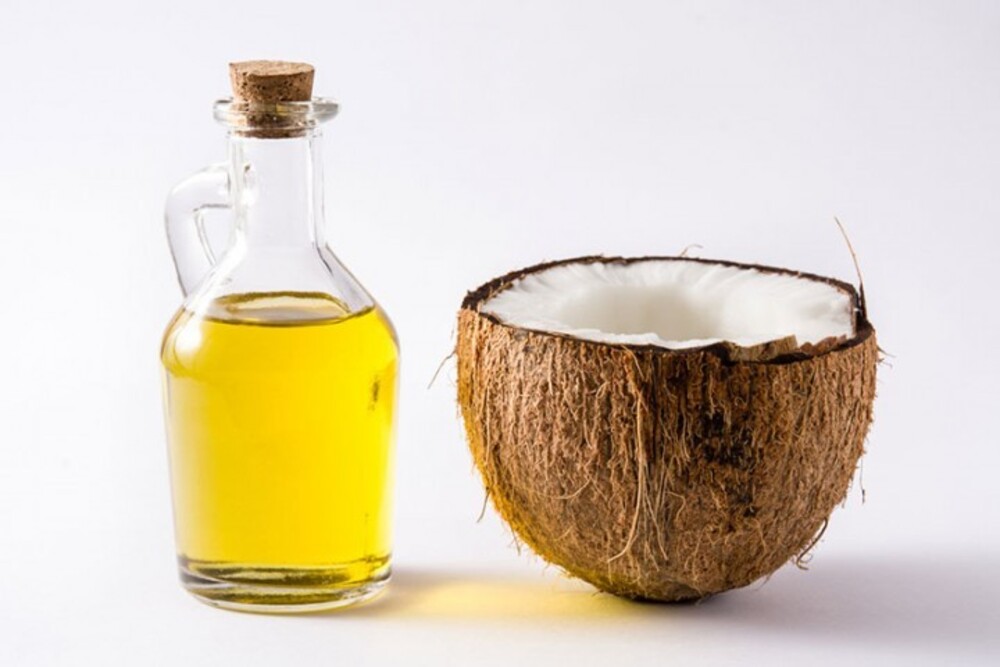
The Coconut Oil Fatty Acid Profile refers to the detailed breakdown of fatty acids naturally present in coconut oil. Unlike many vegetable oils dominated by long-chain fatty acids, coconut oil is rich in medium-chain fatty acids (MCFAs), which offer unique functional and commercial benefits.
Key Characteristics:
- Naturally saturated and highly stable
- Excellent oxidative resistance
- Solid or semi-solid at room temperature
- Long shelf life without chemical additives
This composition is why coconut oil remains highly sought after in both food and non-food industries worldwide.
2. Main Fatty Acids Found in Coconut Oil
Understanding the components of the Coconut Oil helps buyers assess suitability for their specific applications.
Typical Fatty Acid Composition:
- Lauric Acid (C12:0) – 45–53%
- Myristic Acid (C14:0) – 16–21%
- Palmitic Acid (C16:0) – 8–10%
- Caprylic Acid (C8:0) – 5–9%
- Capric Acid (C10:0) – 4–8%
- Stearic Acid (C18:0) – 2–4%
- Oleic Acid (C18:1) – 5–8%
- Linoleic Acid (C18:2) – <2%
This balanced profile is the reason coconut oil performs exceptionally well across diverse industrial processes.
3. Why the Coconut Oil Fatty Acid Profile Is Critical for Industry
The Coconut Oil directly affects how the oil behaves during processing, formulation, and end-use.
Industrial Benefits Include:
- High lauric acid for soap and detergent foaming
- Medium-chain triglycerides for fast absorption in food and nutraceuticals
- Low polyunsaturated content for superior oxidation stability
- Consistent melting point for controlled manufacturing
Because of these attributes, coconut oil often outperforms palm kernel oil and other lauric oils in high-spec applications.

4. Applications Based on Fatty Acid Composition : Coconut Oil Fatty Acid Profile
Different industries rely on specific aspects of the Coconut Oil.
1. Food Industry
- Frying oils and bakery fats
- Confectionery coatings
- Dairy alternatives
- Processed food formulations
The medium-chain fatty acids support quick energy release and extended shelf life.
2. Cosmetics & Personal Care
- Soaps and body cleansers
- Shampoos and conditioners
- Creams and lotions
- Lip and skin care products
High lauric and myristic acid levels enhance cleansing, moisturizing, and antimicrobial properties.
3. Oleochemical Industry
- Fatty alcohols
- Fatty acids
- Glycerin
- Surfactants
Here, the Coconut Oil determines yield efficiency and downstream processing quality.
4. Biodiesel & Industrial Uses
- Renewable fuel feedstock
- Lubricants
- Hydraulic fluids
The saturated structure ensures thermal and oxidative stability under industrial conditions.
5. Quality Indicators Linked to Fatty Acid Profile : Coconut Oil Fatty Acid Profile
Professional buyers do not only look at price—they analyze quality consistency tied to the Coconut Oil.
Common Quality Parameters:
- Fatty acid composition analysis (GC test)
- Iodine value
- Free fatty acid (FFA) level
- Moisture and impurities
- Color and odor consistency
A stable fatty acid profile signals good raw material selection, proper copra handling, and controlled processing.
6. Indonesian Advantage in Coconut Oil Composition
Indonesia’s tropical climate, fertile soil, and traditional coconut farming methods contribute to a naturally superior Coconut Oil.
Key Advantages:
- Year-round coconut harvesting
- High lauric acid content
- Sustainable smallholder supply chains
- Export-ready processing facilities
- Experience serving global markets
These factors allow Indonesian exporters to deliver consistent quality at scale.
7. Crude vs. Refined Coconut Oil Fatty Acid Profile : Coconut Oil Fatty Acid Profile
One common question among buyers is whether processing affects fatty acid composition.
Comparison:
- Crude Coconut Oil (CNO)
- Retains original fatty acid structure
- Suitable for refining, oleochemicals, biodiesel
- Cost-efficient for industrial buyers
- Refined Coconut Oil (RBD)
- Same fatty acid profile, improved appearance
- Neutral taste and odor
- Ideal for food and cosmetics
The Coconut Oil itself remains largely unchanged—what differs is purity and usability.
8. Sustainability and Traceability Considerations
Modern buyers increasingly require transparency beyond chemical specifications.
Sustainable Sourcing Benefits:
- Traceable copra supply
- Ethical farming practices
- Environmentally responsible processing
- Compliance with international standards
A well-documented Coconut Oil combined with traceability adds credibility and long-term partnership value.
9. How Buyers Should Evaluate Suppliers : Coconut Oil Fatty Acid Profile
When sourcing coconut oil internationally, evaluating more than just pricing is essential.
Buyer Checklist:
- Request detailed fatty acid profile reports
- Confirm testing methods and lab standards
- Verify export experience and documentation
- Assess supply consistency and volume capability
- Ensure clear communication and responsiveness
Reliable suppliers understand that the Coconut Oil is central to your production success.
10. Conclusion: Turning Specifications into Competitive Advantage
In global trade, knowledge is power. Understanding the Coconut Oil enables buyers to optimize formulations, reduce production risks, and achieve consistent end-product quality.
Whether you are sourcing coconut oil for food manufacturing, cosmetics, oleochemicals, or energy applications, choosing the right supplier with a proven fatty acid profile makes a measurable difference.
Indonesia continues to stand out as a strategic origin—offering quality, volume, and expertise. If you are looking for a dependable coconut oil partner who understands technical requirements and international standards, now is the time to start the conversation.
Contact us today to request specifications, samples, and export-ready coconut oil tailored to your industry needs.

