

For businesses seeking a dependable partner in Crude Coconut Oil export, Sukatani Group delivers quality, consistency, and professional handling from Indonesia’s top coconut-producing regions. We work directly with trusted plantations, ensuring every product meets international export standards.
Our CNO products are:
- Carefully processed and quality-checked
- Packed for efficient loading into 40-foot containers
- The Best Crude Coconut Oil Factory
- Offered with competitive CIF and FOB pricing options
With established export routes to China, Thailand, Vietnam, and other destinations, we guarantee a smooth and reliable shipment process from start to finish.
📞 Contact Sukatani Group
WhatsApp: +62 811 7810 991
📍 Office: Jalan Karya Baru, Palembang, Indonesia
🌍 Loading Point: KM 50 Tanjung Api-Api, Banyuasin, South Sumatra

Crude Coconut Oil Export: A Complete Guide for Global Buyers in 2025
The global trade of natural oils continues to expand rapidly, and one of the most in-demand commodities today is crude coconut oil (CNO). With industries such as food processing, cosmetics, pharmaceuticals, and renewable energy seeking natural, sustainable, and versatile raw materials, the market for Crude Coconut Oil Export has grown stronger than ever.
For international buyers, importers, and manufacturers, understanding how the crude coconut oil export industry works is essential for ensuring consistent supply, fair pricing, and high-quality products. This article provides a full overview of the Crude Coconut Oil Export ecosystem, covering production, sourcing, documentation, shipping, quality standards, and why Indonesia is one of the leading exporters in the world.
1. What Is Crude Coconut Oil and Why the Export Market Is Growing
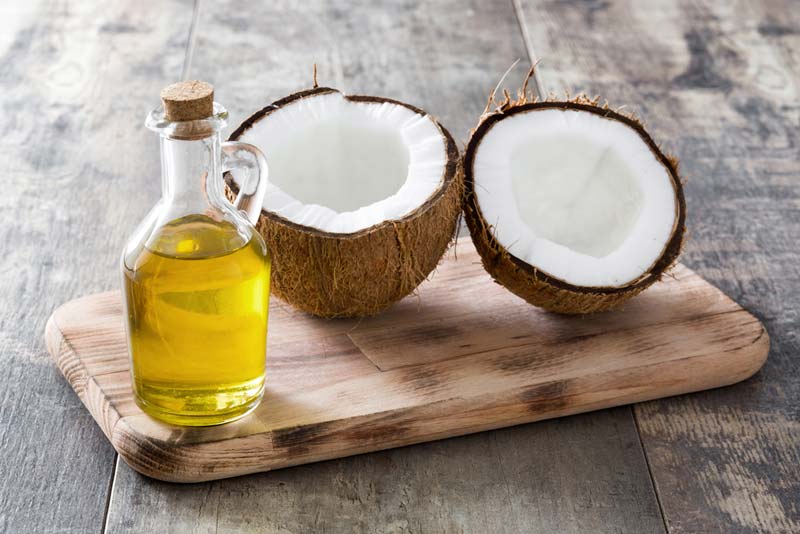
Crude coconut oil is extracted from dried coconut meat (known as copra) and is widely used across multiple industries due to its fatty acid composition and versatility. The rising demand for Crude Coconut Oil is driven by several global trends:
1. Increasing preference for natural ingredients
Consumers across Europe, Asia, and the Middle East are choosing natural oils for food products and personal care items.
2. Growth of organic and vegan product markets
CNO is used in:
- Vegan butter
- Plant-based creamers
- Natural soaps
- Organic cosmetics
3. Expansion of the renewable energy sector
Crude coconut oil is utilized as a feedstock for biodiesel manufacturing.
4. Rising demand for edible oils during global supply fluctuations
Countries are diversifying their edible oil supply chains, pushing the need for steady Crude Coconut Oil Export operations.
These global shifts make the CNO export business one of the most stable and promising industries today.
2. Understanding the Crude Coconut Oil Export Supply Chain
To ensure consistent quality and reliable shipments, a proper Crude Coconut Oil Export process involves several carefully coordinated steps:
Step 1. Coconut Sourcing
A trusted exporter must work closely with farmers to secure:
- Mature coconuts
- Sustainably harvested supply
- Monthly production stability
Step 2. Copra Production
Coconut meat is dried to reduce moisture, which increases oil yield and protects product quality.
Step 3. Oil Extraction
CNO is produced through mechanical pressing, typically using industrial expeller machines.
Step 4. Filtration and Quality Testing
Before export, crude coconut oil goes through filtration to remove sediments and impurities. Exporters must conduct tests for:
- Free Fatty Acid (FFA) levels
- Moisture content
- Impurities
- Odor and color
Step 5. Packaging for Export
Packaging options for Crude Coconut Oil include:
- Flexi bags (20–22 MT per container)
- Steel drums (190–200 kg per drum)
- IBC tanks
Step 6. Export Documentation and Shipping
Exporters prepare all required documents such as:
- Certificate of Analysis (COA)
- Certificate of Origin (COO)
- MSDS
- Packing list
- Commercial invoice
- Export permit
Each step ensures the compliance and smooth delivery of crude coconut oil to international buyers.
3. Why Indonesia Leads the Crude Coconut Oil Export Industry
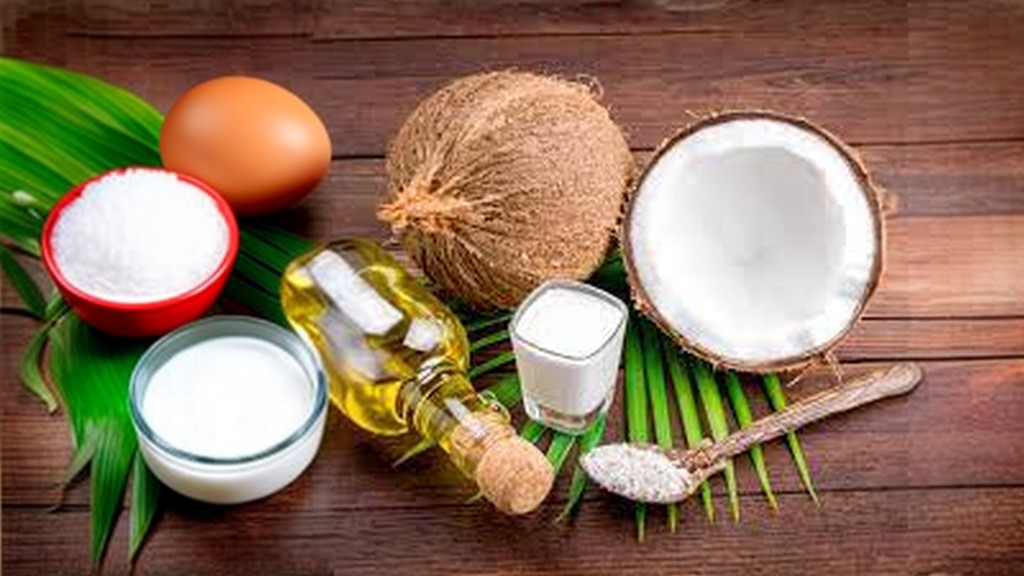
Indonesia is one of the largest producers and exporters of coconut products in the world. Several factors make it a dominant force in Crude Coconut Oil :
1. Vast coconut plantation areas
Millions of hectares across Sulawesi, Sumatra, Java, and Eastern Indonesia support year-round production.
2. Competitive and stable pricing
Lower labor and production costs create more affordable export rates compared to other producing countries.
3. Reliable copra-based production system
Indonesia maintains traditional and industrial-scale copra production, enabling large CNO output.
4. Highly skilled workforce
Farmers and factory workers have generations of expertise in coconut processing.
5. Established international shipping routes
Indonesia exports to:
- India
- China
- Europe
- Middle East
- Southeast Asia
This ensures that Crude Coconut Oil Export from Indonesia is logistically efficient and well-connected to global markets.
4. Industries That Rely on Crude Coconut Oil
Crude coconut oil is a crucial ingredient for many global industries. Here are the primary sectors that actively purchase CNO:
1. Food & Beverage Industry
Used in:
- Cooking oil blends
- Margarine
- Confectionery products
- Snacks and baked goods
2. Cosmetics & Personal Care
CNO is a base ingredient for:
- Soap
- Shampoo
- Lotion
- Lip balm
3. Pharmaceutical Industry
Manufacturers use crude coconut oil for:
- Capsules
- Topical medications
- Herbal and wellness products
4. Biofuel & Chemical Industry
CNO is converted into:
- Biodiesel
- Surfactants
- Detergents
These industries create consistent demand for Crude Coconut Oil, ensuring long-term market stability.
5. Essential Standards for Crude Coconut Oil Export Quality
Buyers importing crude coconut oil must ensure that the product meets international standards. Important specifications include:
1. Free Fatty Acid (FFA)
The lower the FFA, the better the oil quality. Typical export-grade CNO has 2–5% FFA.
2. Moisture & Impurity Levels
Low moisture prevents oxidation and extends shelf life.
3. Color and Odor
Natural yellowish color and mild coconut aroma indicate proper processing.
4. Packaging Integrity
High-quality drums or flexi bags are essential to prevent leakage during long-distance shipping.
A trustworthy Crude Coconut Oil supplier will always provide detailed COA reports and product photos before shipment.
6. Pricing Structure in the Crude Coconut Oil Export Market
Several factors influence international CNO pricing:
1. Raw Material Availability
Seasonal fluctuations can affect copra supply.
2. Global Market Demand
Higher demand from India, Europe, and the Middle East can increase prices.
3. Transportation and Freight Costs
Fuel price changes and container availability impact shipping rates.
4. Currency Exchange Rates
USD fluctuations affect export pricing directly.
5. International Regulations
Changes in import duties or restrictions can impact total cost.
For buyers seeking predictable long-term costs, partnering with a stable Crude Coconut Oil company is essential.

7. Advantages of Working With a Professional Crude Coconut Oil Exporter
Choosing a reputable export partner brings many benefits:
1. Guaranteed quality consistency
Every batch follows standardized testing procedures.
2. Reliable monthly supply
Professional exporters maintain strong plantation networks.
3. Competitive international pricing
Bulk contracts often include pricing advantages.
4. Professional documentation handling
Smooth customs clearance and compliance.
5. Long-term cooperation opportunities
Exporters often offer flexible contract options for growing businesses.
These advantages make professional Crude Coconut Oil partners essential for global manufacturers.
8. What to Look for When Selecting a Crude Coconut Oil Export Supplier
Buyers must evaluate suppliers carefully. Here are key points to check:
1. Factory Capacity
Ensure the supplier can meet your monthly requirements.
2. Certifications
Look for:
- COA
- Halal certification
- MSDS
- SGS or third-party inspection (if needed)
3. Communication Quality
A reliable exporter responds quickly and clearly.
4. Packaging Options
Drums, flexi bags, or IBC tanks must be high quality.
5. Shipment Experience
Choose exporters with proven records of international shipments.
A dependable Crude Coconut Oil supplier should be transparent, communicative, and experienced.
9. Why Choose Us as Your Crude Coconut Oil Export Partner
If your business is searching for a trusted exporter capable of delivering stable monthly supply, high-quality products, and competitive pricing, we are ready to support your needs.
We provide:
- High-volume production capacity
- Strict quality control
- Export-ready documentation
- Bulk packaging options
- Transparent communication
- Long-term business cooperation
With extensive experience in Crude Coconut Oil Export, we are committed to helping global buyers achieve stable and scalable supply chains.
10. Contact Us Today
If you are ready to secure consistent and high-quality Crude Coconut Oil, our team is prepared to assist you with pricing, product specifications, samples, and shipping details.
➡️ Reach out to us today to get the latest quotation and start a reliable partnership.
Kami siap membantu Anda untuk kebutuhan crude coconut oil dalam jumlah besar maupun kontrak jangka panjang.

