
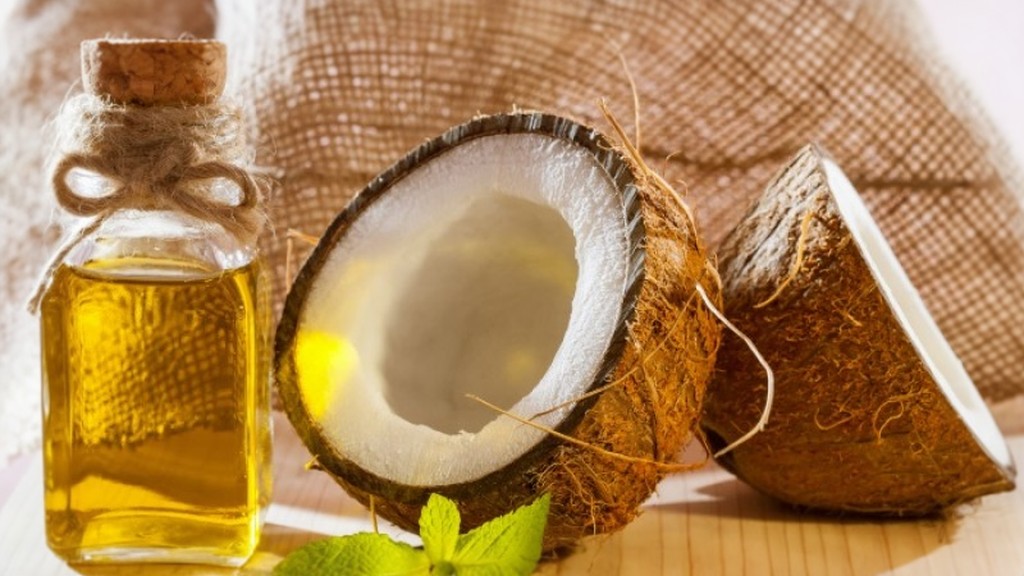
Sukatani Group is ready to support your feed industry requirements. We supply premium-quality Crude Coconut Oil for feed produced from carefully selected, export-grade Semi Husked Coconuts harvested from Indonesia’s fertile plantations. Our production process ensures natural handling, consistent quality, and suitability for various animal feed formulations.
All products are prepared for export in 40-foot containers, backed by proven shipment experience to major markets including China, Thailand, and Vietnam. Clients trust Sukatani Group for:
- The Best Crude Coconut Oil Factory
- Hassle-free export documentation
- Competitive pricing for both CIF and FOB terms
If your business requires dependable Crude Coconut Oil for feed manufacturing, we are fully equipped to be your trusted supplier.
📞 Contact Sukatani Group
WhatsApp: +62 811 7810 991
📍 Office: Jalan Karya Baru, Palembang, Indonesia
🌍 Loading Point: KM 50 Tanjung Api-Api, Banyuasin, South Sumatra

Crude Coconut Oil For Feed: A Comprehensive Guide for Global Feed Manufacturers
Crude Coconut Oil has become an essential ingredient in the global livestock and aquaculture industries. As more producers shift toward natural and high-energy feed sources, crude coconut oil (CCO) continues to stand out for its nutritional value, affordability, and consistent supply from coconut-producing countries like Indonesia. Whether you manufacture poultry feed, swine feed, cattle supplements, or aquaculture nutrition, understanding the benefits and characteristics of Crude Coconut Oil will help you optimize formulations and maintain competitive product performance.
This article explores its composition, industrial benefits, standard specifications, applications, market demand, buyer considerations, and why more companies are integrating this ingredient into their feed production processes.

1. What Is Crude Coconut Oil For Feed?
Crude Coconut Oil For Feed is unrefined coconut oil extracted from dried coconut meat (copra) and specifically used as an energy-rich additive in animal feed. Unlike refined coconut oil, which is used for cooking and cosmetics, CCO for feed is valued for its:
- High medium-chain fatty acid (MCFA) content
- Fast energy conversion
- Improved metabolism for livestock
- Natural antimicrobial properties
Because of its fatty acid profile, Crude Coconut Oil For Feed is known to be more digestible than many vegetable oils commonly used in feeding programs, such as soybean oil or palm oil.
2. Why Crude Coconut Oil For Feed Is Becoming More Popular
The feed industry continues to innovate and adopt alternative ingredients that improve animal growth, immunity, and feed efficiency. Crude Coconut Oil is growing in popularity for several reasons:
(1) Rising Demand for Natural Additives
Companies are seeking natural energy boosters instead of synthetic enhancers.
(2) Excellent Energy Source
MCFAs are rapidly absorbed by animals and converted into energy without overloading the digestive system.
(3) Improved Animal Immunity
Lauric acid—the signature fatty acid of coconut oil—helps strengthen the immune response.
(4) Better Feed Palatability
Animals respond well to feed enhanced with coconut oil, improving intake and consistency.
(5) Cost-Effective Compared to Other Oils
Feed manufacturers can reduce costs without compromising nutritional quality.
The result is clear: Crude Coconut Oil is shaping the future of efficient animal nutrition.
3. Nutritional Benefits of Crude Coconut Oil For Feed
Here are the most important nutritional advantages of using this ingredient in animal feed:
1. High MCFA Content for Quick Energy
MCFAs such as lauric acid, capric acid, and caprylic acid are metabolized quickly, making them ideal for young animals or high-performance livestock.
2. Natural Antimicrobial & Antibacterial Properties
Lauric acid supports intestinal health by slowing the growth of harmful bacteria.
3. Enhances Fat Absorption
Especially beneficial for chicks, piglets, and aquatic species with sensitive digestive systems.
4. Promotes Faster Growth Rate
Livestock show improved body weight gain when fed diets containing Crude Coconut Oil For Feed.
5. Supports Immune System Function
Improved resistance to infections reduces antibiotic dependence.
6. Safer for Feed Processing
Stable at high temperatures and suitable for pellet production.
These nutritional attributes make Crude Coconut Oil a strategic choice in modern feeding programs.
4. Standard Specifications of Crude Coconut Oil For Feed
Manufacturers must ensure that the product meets quality standards for feed-grade oil. Below are typical specifications:
General Feed-Grade Specifications
- Moisture & Impurities: Max 0.5%
- FFA (Free Fatty Acid): 2–5%
- Color: Yellow to brown
- Odor: Natural coconut scent
- Density: 0.915–0.920
- Iodine Value: 7.5–11
- Melting Point: Around 25°C
- Packaging: Drums, jerry cans, flexitanks, IBC tanks
Suppliers of Crude Coconut Oil should also provide:
- Certificate of Analysis
- MSDS
- Halal certification (if required)
- Export documentation
For best results, buyers should request a sample before large-scale orders.
5. Applications of Crude Coconut Oil For Feed
The use of Crude Coconut Oil extends across multiple animal categories:
A. Poultry Feed
- Broiler growth enhancement
- Layer productivity improvement
- Chick starter feed formulations
B. Swine Feed
- Supports piglet gut development
- Improves feed conversion ratio (FCR)
- Helps maintain body temperature in young piglets
C. Cattle & Dairy Feed
- Boosts milk production
- Supports energy requirements for dairy cows
- Enhances absorption of fat-soluble vitamins
D. Aquaculture Feed
- Shrimp and fish feed formulations
- Enhances immune response in aquatic species
- Improves survival rate and growth performance
E. Pet Food
- Enhances coat condition
- Supports digestion
- Provides natural antimicrobial action
This makes Crude Coconut Oil one of the most versatile feed ingredients available in global markets today.
6. Comparison: Crude Coconut Oil For Feed vs Other Feed Oils
To help buyers evaluate the value of CCO, here is a comparison:
1. Compared to Soybean Oil
- Faster digestion
- Higher antimicrobial activity
- Better for young animals
2. Compared to Palm Oil
- Higher MCFA content
- More energy-dense
- Easier digestibility
3. Compared to Fish Oil
- More stable supply
- Lower cost
- No strong odor
4. Compared to Animal Fats
- Cleaner, plant-based, and more hygienic
- Lower risk of contaminants
As a result, many manufacturers are switching to Crude Coconut Oil for improved performance and cost efficiency.

7. Global Market Outlook for Crude Coconut Oil
The global market for feed-grade coconut oil continues to grow due to:
- Increased livestock production worldwide
- Demand for antibiotic-free feed ingredients
- Shift toward sustainable and plant-based inputs
- Strong supply from Indonesia and the Philippines
- Growing aquaculture industries in Asia and the Middle East
Indonesia, in particular, remains a leading exporter for Crude Coconut Oil, offering:
- Competitive pricing
- High production capacity
- Reliable monthly supply
- Professional export documentation
- Multiple packaging options
8. Buyer Checklist for Crude Coconut Oil For Feed
To ensure you are sourcing the right material, use the following checklist:
Buyer Checklist
- Request COA and verify FFA and moisture levels.
- Confirm the supplier’s production capacity.
- Check packaging suitability for your region.
- Review export experience to your country.
- Inspect sample quality before bulk purchase.
- Ask about monthly supply stability.
- Confirm HS code for feed-grade coconut oil.
- Discuss long-term pricing arrangements.
A reliable supplier should meet all points easily.
9. Why You Should Contact Us for Supply
If you need high-quality Crude Coconut Oil with competitive export-grade standards, we are ready to support you. Our supply benefits include:
- Fresh production directly from Indonesian mills
- Flexible packaging (drums, jerry cans, flexitanks)
- High monthly availability
- Export-ready documentation (COA, MSDS, etc.)
- CIF, CNF, or FOB shipping options
- Long-term supply contracts
We supply global feed manufacturers, distributors, importers, and feed formulation companies.
10. Final Thoughts
Crude Coconut Oil For Feed is more than an energy source—it is a strategic ingredient that enhances nutrition, improves growth performance, boosts immunity, and reduces feed cost. Its versatility in poultry, swine, cattle, aquaculture, and pet food formulations makes it a highly valuable solution for modern feed manufacturing.
As global demand increases, sourcing reliable and high-quality Crude Coconut Oil becomes essential for maintaining consistency and competitive advantage.
If you are looking for a stable and affordable supplier, feel free to contact us. We are ready to support your feed production needs with premium-quality crude coconut oil from Indonesia.

