
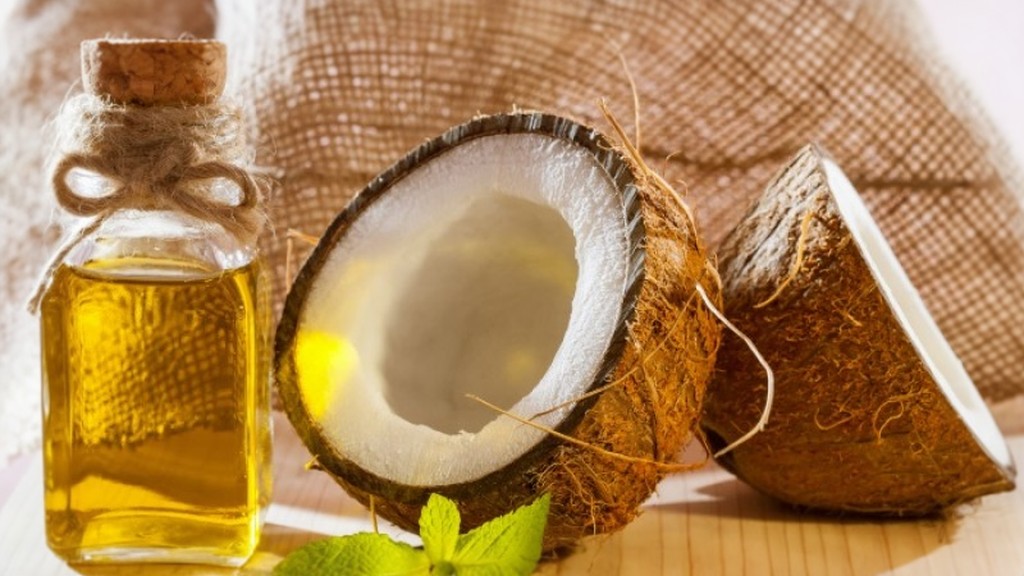
Sukatani Group is committed to supplying high-quality raw materials for the global soap-making industry. Our Crude Coconut Oil for Soap Making is produced from premium Semi Husked Coconuts sourced directly from Indonesia’s rich and productive plantations. Each coconut is selectively harvested, naturally processed, and prepared according to export standards.
We regularly ship in 40-foot containers, ensuring smooth and timely delivery for international buyers. With established export experience to markets such as China, Thailand, and Vietnam, we provide:
- The Best Crude Coconut Oil Factory in Sumatera
- Seamless documentation and export handling
- Competitive pricing options under both CIF and FOB terms
If your business requires trusted suppliers for crude coconut oil, Sukatani Group is ready to support your production needs.
📞 Contact Sukatani Group
WhatsApp: +62 811 7810 991
📍 Office Address: Jalan Karya Baru, Palembang, Indonesia
🌍 Loading Point: KM 50 Tanjung Api-Api, Banyuasin, South Sumatra

Crude Coconut Oil for Soap Making: A Complete 1200-Word Guide for Artisans, Manufacturers, and Export Buyers
When it comes to natural ingredients for producing premium-quality soap, Crude Coconut Oil for Soap Making has become one of the most in-demand raw materials. Its high lauric acid content, stable fatty acid profile, and excellent cleansing properties make it a top choice for both small-scale artisans and large industrial soap manufacturers worldwide. But what exactly makes Crude Coconut Oil for Soap Making so special? How is it used, and why do so many formulators rely on it as a core ingredient?
This article dives deep into the world of crude coconut oil—exploring its functions, benefits, production process, and real-world applications so you can make informed decisions whether you’re a crafter, factory owner, or international importer.

1. What Is Crude Coconut Oil for Soap Making?
To understand why the ingredient is valuable, it’s important to first define what Crude Coconut Oil actually is.
Crude coconut oil (CNO) is an unrefined oil extracted from dried coconut meat, also known as copra. Unlike refined coconut oil or virgin coconut oil, CNO undergoes minimal processing and retains more of its natural fatty acid composition, making it highly suitable for industrial applications—especially soap production.
Key Characteristics:
- High lauric acid (around 48–52%)
- Natural yellowish color
- Strong coconut aroma
- Excellent saponification value
- More economical than refined coconut oil
Because of these features, Crude Coconut Oil is widely used in commercial soap factories, detergent manufacturers, and even cosmetic labs that formulate cleansing products.
2. Why Choose Crude Coconut Oil for Soap Making?
There are numerous oils available for soap formulation, but none perform quite like crude coconut oil. Below are the top reasons why soap makers prefer this ingredient:
1. Superior Cleansing Ability
Lauric acid makes soaps foam richly and clean effectively, which is why Crude Coconut Oil is essential for soap bars, liquid soaps, and cleansing creams.
2. Hardens Soap Bars Naturally
Unlike many vegetable oils that create soft bars, crude coconut oil results in a firm, long-lasting soap bar.
3. Excellent Lather Even in Hard Water
CNO-based soaps produce bubbles easily, even when the water quality is low.
4. Cost-Effective for Mass Production
CNO is cheaper than refined coconut oil but still delivers high-quality performance.
5. Ideal for Both Cold-Process and Hot-Process Methods
Whether you’re handcrafting soap or running factory-scale machines, Crude Coconut Oil for Soap Making works perfectly.
3. Crude Coconut Oil for Soap Making: Production Process
To fully understand the quality behind the oil, here is a simplified breakdown of the production stages.
1. Copra Drying
Coconuts are split, and the white meat is dried under the sun or using mechanical dryers.
2. Mechanical Pressing
The dried copra is pressed using expellers to extract crude coconut oil.
3. Filtration
Impurities are removed through a basic filtration process.
4. Storage in Drums or Flexi Bags
The oil is packed in metal drums, jerry cans, or bulk containers for export.
Because of this minimally processed method, Crude Coconut Oil retains natural characteristics suitable for saponification.

4. Benefits of Using Crude Coconut Oil
Below are some of the most important advantages for manufacturers and crafters:
1. Strong Antimicrobial Properties
Lauric acid creates natural protection against bacteria and fungi.
2. Long Shelf Life
CNO has stable fatty acids, making it less prone to oxidation.
3. Highly Versatile in Formulas
It blends easily with:
- Palm oil
- Olive oil
- Castor oil
- Shea butter
- Essential oils
4. Ideal for Whitening and Deep-Cleansing Soaps
The cleansing strength of Crude Coconut Oil makes it a favorite for:
- Beauty soaps
- Herbal soaps
- Acne-fighting soaps
- Laundry bars
5. Types of Soaps You Can Create with Crude Coconut Oil
Here are examples of soap categories that commonly use CNO:
1. Cold Process Soap Bars
Artisanal soap makers rely heavily on crude coconut oil due to its saponification value.
2. Industrial Laundry Soap
Factories often use Crude Coconut Oil because it produces durable, effective cleaning bars.
3. Liquid Soap Concentrates
CNO helps create stable liquid soap bases.
4. Detergent Cakes
High cleansing power makes CNO ideal for mass-market detergent cakes.
5. Transparent Glycerin Soap
CNO contributes to clarity and hardness.
6. How Much Crude Coconut Oil Should You Use in a Soap Formula?
To help both beginners and professionals, here is a simple guideline:
Typical Usage Rate
- 20%–30% for moisturizing soaps
- 30%–50% for cleansing soaps
- 60%–80% for laundry bars
Why Not Use 100% CNO?
Using pure Crude Coconut Oil can result in a soap bar that is too cleansing and may feel drying unless superfatting is applied.
7. Market Demand for Crude Coconut Oil
The global demand for soap products is increasing, and CNO plays a major role in this market.
Key Export Destinations for CNO:
- China
- India
- Bangladesh
- Malaysia
- South Korea
- Middle East
Manufacturers in these countries prefer Crude Coconut Oil because of its price advantage and consistent performance.
8. Why Indonesia Is a Top Supplier of Crude Coconut Oil
Indonesia consistently ranks among the world’s largest coconut producers. Buyers choose Indonesian suppliers because:
1. Stable Production Volumes
Millions of coconut trees ensure consistent supply.
2. Competitive Pricing
Lower operational costs make Indonesian CNO price-friendly.
3. Large Export Capacity
Suppliers can ship in:
- Drums
- IBC tanks
- Flexi bags
- Full container loads (FCL)
4. Strict Quality Control
Export-grade oil meets international standards.
If you’re sourcing Crude Coconut Oil, Indonesia is one of the best places to buy from.

9. Tips for Importers Buying Crude Coconut Oil
To ensure you source the best quality, here are essential steps:
1. Check Fatty Acid Composition
Lauric acid should be above 48%.
2. Verify Moisture Content
Lower moisture means longer shelf life.
3. Ask for COA (Certificate of Analysis)
This confirms the oil meets export standards.
4. Confirm Packaging Options
Choose based on your warehouse or production line.
10. Ready to Buy Crude Coconut Oil for Soap Making? Contact Us
If you are a soap maker, distributor, or global importer searching for high-quality, fresh Crude Coconut Oil, we are ready to supply you directly from Indonesia.
You can contact us for:
- Bulk orders
- Export documentation
- Pricing updates
- Custom packaging
- Long-term supply contracts
Our team is experienced in international trade and can support shipments to Asia, the Middle East, Africa, and Europe.
