
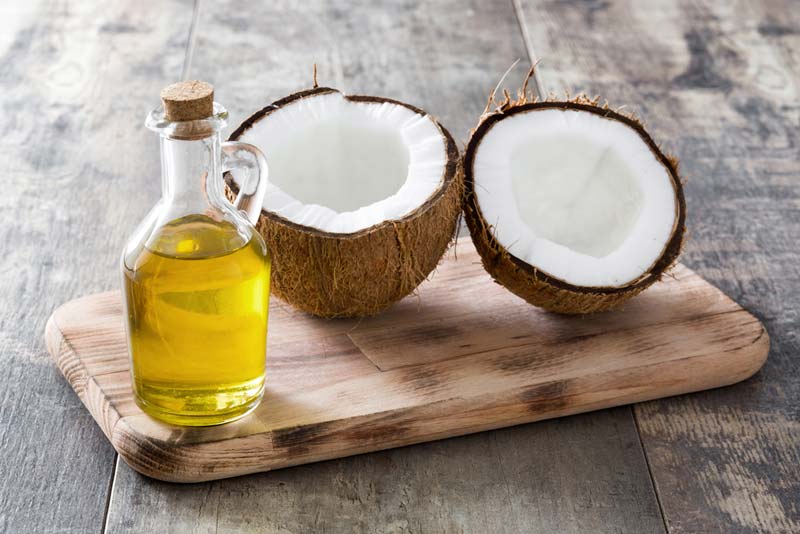
How to Export Crude Coconut Oil from Indonesia
Exporting crude coconut oil requires a reliable raw material source, proper processing, and experienced export handling. Sukatani Group supports this process by supplying fresh, export-grade semi-husked coconuts sourced directly from Indonesia’s fertile plantations.
Our coconuts are carefully selected and naturally processed, then prepared to meet international quality requirements. Shipments are arranged in 40-foot containers, complete with accurate documentation and efficient logistics management. With proven export destinations including China, Thailand, and Vietnam, we ensure a smooth and compliant export process.
As an experienced crude coconut oil manufacturer, Sukatani Group delivers consistent quality, dependable supply, and professional export support for global partners.
Key Advantages of Working with Sukatani Group
- Direct plantation sourcing in Indonesia
- Export-grade selection and processing
- Complete export documentation support
- Trusted shipping experience to multiple countries
📞 Export & Partnership Contact
WhatsApp: +62 811 7810 991
📍 Office: Jalan Karya Baru, Palembang, Indonesia
🌍 Collection Point: KM 50 Tanjung Api-Api, Banyuasin, South Sumatra

How To Export Crude Coconut Oil: A Complete Guide for Global Buyers and Suppliers
The global demand for coconut-based products continues to rise, and crude coconut oil has become one of the most sought-after raw materials across multiple industries. From food manufacturing to cosmetics, oleochemicals, and biodiesel, international buyers are actively sourcing reliable suppliers from coconut-producing countries such as Indonesia. Understanding How To Export Crude Coconut Oil correctly is essential for exporters who want to compete in the global market and for importers who want stable supply and quality assurance.
This comprehensive guide explains How To Export CNO step by step, covering production, quality standards, documentation, logistics, pricing strategies, and buyer expectations.

Understanding Crude Coconut Oil in International Trade
Crude coconut oil is extracted from dried coconut meat (copra) and remains unrefined. It retains natural fatty acids, particularly lauric acid, making it highly valuable for industrial applications.
Key characteristics include:
- Pale yellow to light brown color
- Natural coconut aroma
- High lauric acid content
- Suitable for refining, deodorizing, or fractionation
Because of these properties, exporters who master How To Export Crude Coconut Oil gain access to long-term contracts with global manufacturers.
Why Global Buyers Import Crude Coconut Oil
Before discussing How To Export Crude Coconut Oil, it’s important to understand why buyers prefer this product.
Main Reasons for High Demand:
- Cost Efficiency
Buyers prefer crude oil because they can refine it according to their own specifications. - Industrial Flexibility
Suitable for food, soap, cosmetics, oleochemicals, and biofuel industries. - Stable Shelf Life
Crude coconut oil remains stable during long-distance shipping. - Sustainability Appeal
Coconut oil is plant-based and renewable, aligning with ESG and sustainability goals.
Step-by-Step Guide: How To Export Crude Coconut Oil
1. Sourcing High-Quality Copra
The first step in How To Export Crude Coconut Oil is sourcing mature coconuts and producing clean, well-dried copra.
Best practices include:
- Moisture content below 6%
- No mold or contamination
- Proper sun-drying or kiln-drying methods
Quality copra directly impacts oil yield and export acceptance.
2. Processing and Oil Extraction
Crude coconut oil is extracted using mechanical expellers.
Key production controls:
- Temperature management to prevent degradation
- Stainless steel equipment
- Minimal oxidation exposure
Consistency is crucial for exporters learning How To Export CNO at scale.

3. Quality Specifications for Export Markets
Different markets have different requirements. However, most buyers expect:
- Free Fatty Acid (FFA): max 5%
- Moisture & Impurities (M&I): max 0.5%
- Iodine value within standard range
- Clear certificate of analysis (COA)
Meeting these parameters is a core part of How To Export CNO successfully.
Export Documentation You Must Prepare
One of the most critical aspects of How To Export Crude Coconut Oil is documentation. Missing paperwork can delay shipments or cause rejection.
Mandatory Export Documents:
- Commercial Invoice
- Packing List
- Bill of Lading
- Certificate of Origin
- Certificate of Analysis (COA)
- MSDS (Material Safety Data Sheet)
- Phytosanitary Certificate (if required)
Professional exporters streamline these documents to build buyer trust.
Packaging and Container Loading Standards
Crude coconut oil is usually shipped in:
- Flexitanks (20 ft containers)
- Steel drums (190–200 kg)
- ISO tanks (bulk shipments)
When mastering How To Export Crude Coconut Oil, proper loading is essential to avoid leaks, oxidation, or contamination.
Best Practices:
- Heat oil to optimal pumping temperature
- Use food-grade liners
- Secure temperature protection during transit
FOB vs CIF: Choosing the Right Export Term
Understanding Incoterms is vital when learning How To Export CNO.
Common Export Options:
- FOB (Free On Board): Buyer handles freight
- CIF (Cost, Insurance, Freight): Exporter manages shipping
Many buyers prefer CIF pricing for simplicity, while experienced importers may choose FOB for cost control.
Target Export Markets for Crude Coconut Oil
Indonesia exports crude coconut oil globally.
Top importing regions include:
- China – Oleochemicals and food processing
- India – Refining and soap manufacturing
- Europe – Sustainable and traceable sourcing
- United States – Food and personal care industries
- Japan & Korea – High-quality industrial applications
Knowing buyer preferences strengthens your strategy in How To Export Crude Coconut Oil efficiently.
Pricing Factors in Crude Coconut Oil Export
Pricing is not fixed and depends on multiple variables.
Key factors include:
- Copra market price
- Global vegetable oil trends
- Volume per shipment
- Packaging type
- Contract duration
Transparent pricing builds long-term buyer relationships, a core principle in How To Export Crude Coconut Oil.
Sustainability and Traceability Matter
Modern buyers demand sustainable supply chains.
Exporters who succeed in How To Export CNO focus on:
- Traceable coconut sourcing
- Ethical farmer partnerships
- Environmentally responsible processing
- Clear batch tracking
Sustainability is no longer optional—it’s a competitive advantage.
Common Mistakes to Avoid in Exporting
New exporters often face challenges due to avoidable mistakes.
Avoid:
- Inconsistent quality between shipments
- Poor communication with buyers
- Incomplete documentation
- Lack of sample approval before bulk shipment
Learning from these mistakes improves your execution of How To Export CNO professionally.

Why Choose an Experienced Export Partner
For international buyers, choosing the right supplier matters as much as price.
A reliable exporter offers:
- Consistent quality control
- Export-ready documentation
- Flexible shipping options
- Clear communication
- Long-term supply stability
This is the foundation of successful partnerships in How To Export CNO.
Conclusion: Start Exporting with Confidence
Understanding Crude Coconut Oil requires more than just producing oil—it involves quality management, documentation, logistics, compliance, and trust-building. With global demand continuing to grow, exporters who operate professionally and transparently will dominate international markets.
If you are looking for a reliable supplier of export-grade crude coconut oil from Indonesia, or if you want to establish a long-term sourcing partnership, now is the perfect time to connect with an experienced exporter who understands global trade requirements.
📩 Contact us today to discuss specifications, volumes, pricing options, and shipping terms tailored to your market needs.

