

Premium Semi Husked Coconut from Southeast Asia
Searching for a reliable source of Semi Husked Coconut from Southeast Asia ? Sukatani Group is your trusted partner for fresh, export-quality coconuts grown in Indonesia’s fertile tropical plantations. Every coconut is carefully selected and naturally processed to ensure top quality for international buyers.
We are experienced exporters serving markets in China, Thailand, and Vietnam, offering:
- ✅ Consistent and reliable product quality
- 📑 Hassle-free documentation process
- 🚢 Flexible shipping options (CIF & FOB)
- 💰 Best Choose For Semi Husked Coconut Indonesia
Our coconuts are packed and shipped in 40-feet containers, ready to meet your global demand with efficiency and care.
📞 Contact Sukatani Group
WhatsApp: +62 811 7810 991
📍 Office: Jalan Karya Baru, Palembang, Indonesia
🌍 Collection Point: KM 50 Tanjung Api-Api, Banyuasin, South Sumatra

Semi Husked Coconut from Southeast Asia: The Tropical Commodity Powering Global Industries
Among the many tropical exports gaining global attention, Semi Husked Coconut from Southeast Asia stands as one of the most versatile and valuable agricultural products. From the beaches of Indonesia to the fertile lands of the Philippines and Thailand, Southeast Asia has become the beating heart of the global coconut trade. These coconuts, with their distinctive semi-husked appearance, represent quality, durability, and freshness — making them ideal for industries around the world.
This article explores the importance, advantages, and growing international demand for Semi Husked Coconut from Southeast Asia, while also highlighting why partnering with trusted regional suppliers can be your gateway to consistent business growth.
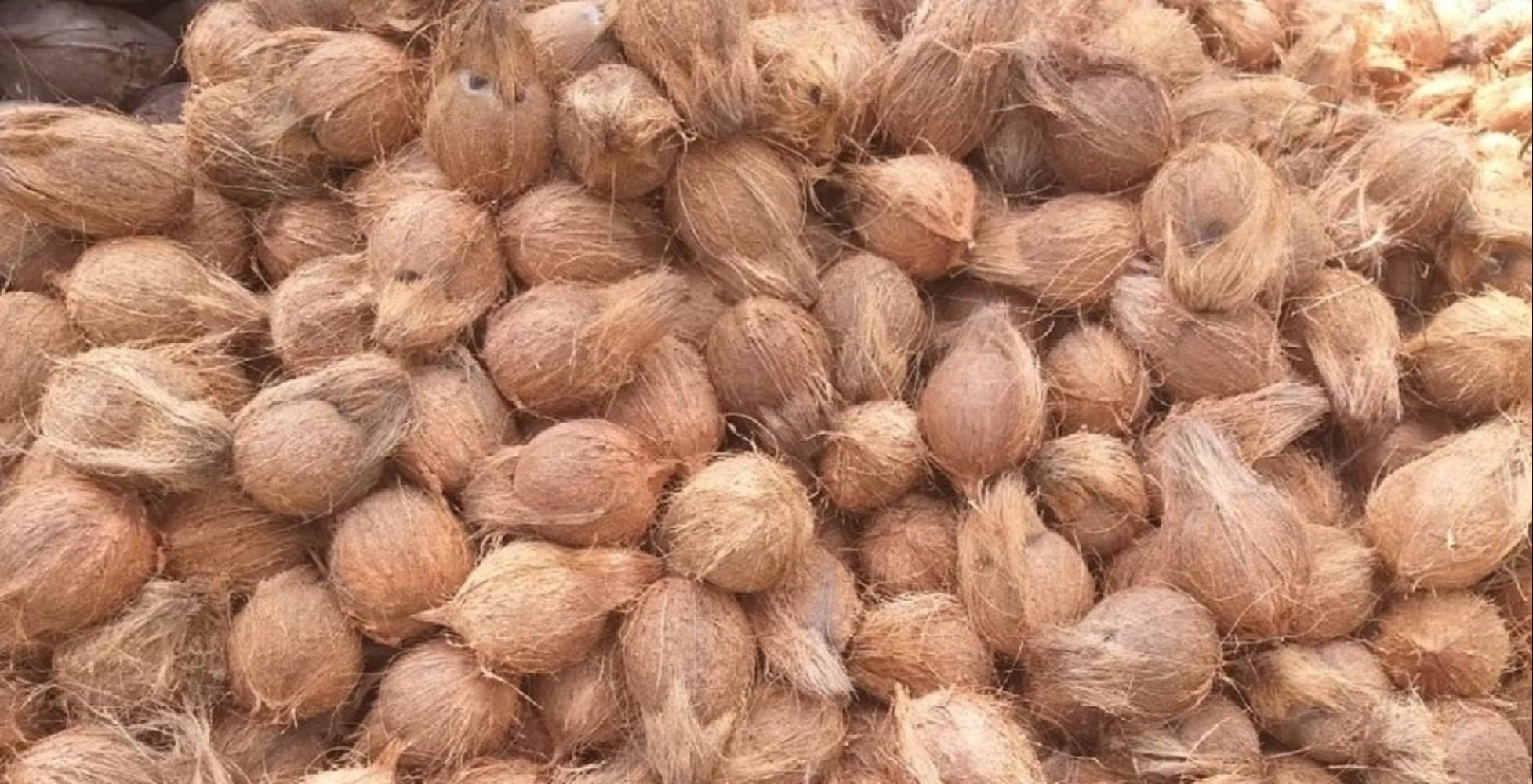
1. What is a Semi Husked Coconut?
Before diving deeper, let’s define the product. A semi husked coconut is a coconut with part of its outer husk removed, leaving a layer of natural fiber to protect the inner shell and meat. This method is widely practiced across Southeast Asia to preserve freshness during long shipments.
The semi-husking process ensures:
- Longer shelf life
- Easier handling and transportation
- Reduced damage during export
- Natural protection against spoilage
Because of these advantages, Semi Husked Coconut from Southeast Asia is in high demand among global buyers in the food, oil, and cosmetic industries.
2. Why Southeast Asia is the Global Leader in Coconut Production
Southeast Asia dominates the world’s coconut production due to its ideal tropical climate and fertile soil. Countries such as Indonesia, the Philippines, Vietnam, and Thailand contribute significantly to the global supply chain.
Several natural and economic factors make Semi Husked Coconut from Southeast Asia superior:
- Abundant Rainfall & Sunshine – The region’s weather ensures consistent coconut harvests year-round.
- Rich Volcanic Soil – Provides essential nutrients, making coconuts sweeter and juicier.
- Traditional Farming Expertise – Generations of coconut farmers understand the perfect harvesting time.
- Efficient Port Infrastructure – Enables fast and secure international exports.
- Sustainability Practices – Many Southeast Asian producers now adopt eco-friendly farming and packaging.
These advantages make coconuts from this region unmatched in both quality and consistency.
3. Major Uses of Semi Husked Coconut from Southeast Asia
The global appeal of Semi Husked Coconut from Southeast Asia comes from its wide range of industrial uses. Here’s a breakdown of its most common applications:
- Food & Beverage Industry
- Processed into coconut milk, coconut cream, shredded coconut, and coconut flour.
- Used in bakery, confectionery, and ready-to-drink beverages.
- Oil Extraction
- High oil content makes it ideal for producing virgin coconut oil (VCO), copra, and refined coconut oil.
- Cosmetic and Skincare Products
- Coconut oil derived from these coconuts is a key ingredient in natural soaps, lotions, and haircare products.
- Animal Feed & Agricultural Use
- Coconut residue and husk fibers are recycled into organic feed and fertilizer.
- Retail and Packaging
- Semi-husked coconuts are visually appealing and suitable for retail sale in supermarkets.
From these uses, it’s clear that Semi Husked Coconut from Southeast Asia serves as a critical raw material for countless industries around the globe.

4. The Journey: From Farm to Export Container
To maintain high export standards, suppliers across Southeast Asia follow strict post-harvest processes. Here’s a step-by-step overview:
- Harvesting:
- Coconuts are picked at 11–12 months of age, ensuring the perfect oil and water balance.
- Dehusking:
- The husk is partially removed using traditional tools or modern machines.
- Grading:
- Coconuts are sorted based on weight, size, and shell integrity.
- Quality Inspection:
- Each batch undergoes strict quality control to ensure export-grade standards.
- Packaging:
- Coconuts are packed in mesh bags, jute sacks, or bulk shipments depending on buyer preference.
- Export & Logistics:
- Products are loaded into 20ft or 40ft containers and shipped from major ports like Belawan (Indonesia), Manila (Philippines), and Laem Chabang (Thailand).
This careful process guarantees that Semi Husked Coconut arrives in perfect condition — fresh, clean, and ready for production.
5. Quality Assurance and Certification
Reputable suppliers of Semi Husked Coconut from Southeast Asia comply with strict international standards such as:
- Phytosanitary Certification (for pest-free export approval)
- ISO and HACCP Standards (ensuring food-grade quality)
- Organic Certification (for farms using natural cultivation methods)
Buyers can request detailed specifications on moisture content, size, and maturity levels to meet the unique needs of their processing plants or retail packaging.
6. The Global Demand for Semi Husked Coconut from Southeast Asia
The world’s demand for coconuts continues to rise due to shifting consumer preferences toward natural, plant-based, and sustainable products. The key importers of Semi Husked Coconut from Southeast Asia include:
- India and China (for copra and oil industries)
- Middle Eastern countries (for fresh coconut water and cooking)
- Europe and the United States (for organic and cosmetic sectors)
With the increasing popularity of vegan diets, the use of coconut-based products is accelerating. This has led to steady export growth, particularly from Indonesia and the Philippines — the two largest contributors of Semi Husked Coconut.
7. Why Importers Prefer Semi Husked Coconut from Southeast Asia
Here’s why international buyers consistently choose coconuts from Southeast Asia over other regions:
- Reliable Supply Chain – Continuous harvest cycles and established logistics ensure on-time delivery.
- Consistent Quality – Uniform size, weight, and freshness across large shipments.
- Competitive Pricing – Due to abundant production and efficient export systems.
- Sustainability – Farmers often use eco-friendly methods and minimize waste.
- Customization Options – Exporters can meet buyer-specific requirements for grading and packaging.
As a result, the Semi Husked Coconut from Southeast Asia has earned a reputation for reliability and superior quality in the global market.
8. How to Choose the Right Supplier
Before purchasing or importing, consider these factors to ensure you partner with a reliable exporter of Semi Husked Coconut from Southeast Asia:
- Check for export licenses and certifications.
- Request sample photos and videos of actual products.
- Ask about production capacity to ensure supply consistency.
- Confirm shipping terms and payment conditions upfront.
- Look for testimonials or past export experience.
A reputable supplier will always provide transparency and support from quotation to shipment.
9. The Future of Southeast Asian Coconut Exports
The future looks bright for Semi Husked Coconut as international markets increasingly favor sustainable tropical products. Southeast Asia’s coconut industry continues to innovate through:
- Improved post-harvest handling technology
- Eco-friendly packaging initiatives
- Digital trade platforms connecting farmers to buyers
These advancements make it easier than ever for global buyers to source directly from Southeast Asia with confidence.
10. Conclusion: Partner with the Best in Southeast Asia
In conclusion, Semi Husked Coconut represents the perfect blend of nature, tradition, and export excellence. Its superior quality, long shelf life, and broad industrial applications make it one of the most promising commodities in global trade today.
Whether you are in the food, oil, cosmetic, or retail sector, sourcing directly from Southeast Asian suppliers ensures you receive premium-grade coconuts — fresh from the tropical plantations to your processing facility.
If you are looking for a trusted Semi Husked Coconut exporter, now is the perfect time to establish a partnership. Reach out to a professional supplier today to discuss specifications, bulk pricing, and long-term collaboration. Bring the authentic tropical flavor and quality of Southeast Asia to your market — and experience the difference in every shipment.
