
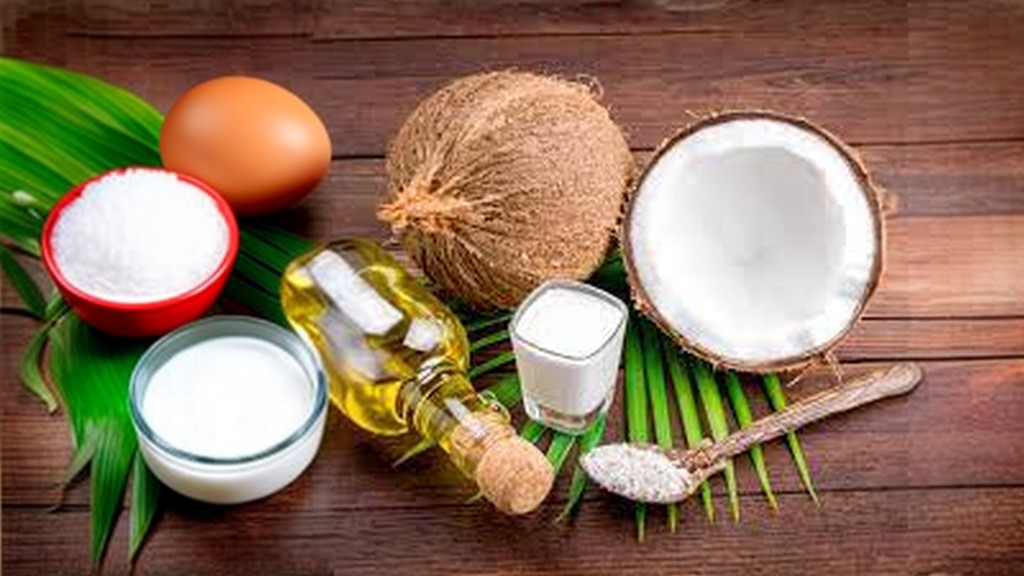
Indonesia-Based Coconut Oil Processing Plant for Export Supply
Sukatani Group operates a coconut oil processing plant in Indonesia supported by direct access to fresh, export-grade semi-husked coconuts sourced from fertile local plantations. Our integrated supply chain ensures raw material freshness, controlled processing, and consistent output quality.
All coconuts are carefully selected and naturally processed to meet international standards before being prepared for bulk export shipments in 40-foot containers. With extensive experience exporting to China, Thailand, and Vietnam, we provide complete export documentation and efficient logistics handling.
As a trusted crude coconut oil manufacturer, Sukatani Group is committed to delivering stable quality, scalable volumes, and long-term reliability for global markets.
Why Partner with Sukatani Group
- Strategically located processing facility in Indonesia for crude coconut oil
- Direct plantation sourcing
- Export-ready production and packaging
- Proven international shipping performance
📞 Business & Export Inquiries
WhatsApp: +62 811 7810 991
📍 Head Office: Jalan Karya Baru, Palembang, Indonesia
🌍 Raw Material Collection Point: KM 50 Tanjung Api-Api, Banyuasin, South Sumatra

Coconut Oil Processing Plant Indonesia: A Strategic Hub for Global Coconut Oil Supply
Indonesia has long been recognized as one of the world’s largest coconut-producing countries. With millions of hectares of coconut plantations spread across fertile tropical regions, the country plays a critical role in supplying coconut-based products to the global market. At the heart of this supply chain lies the Coconut Oil Processing Plant Indonesia, a vital infrastructure that transforms raw coconuts into high-quality oil for industrial, food, cosmetic, and energy applications.
As global demand for coconut oil continues to rise, international buyers are increasingly looking toward Indonesia for reliable sourcing, scalable production capacity, and consistent quality standards.
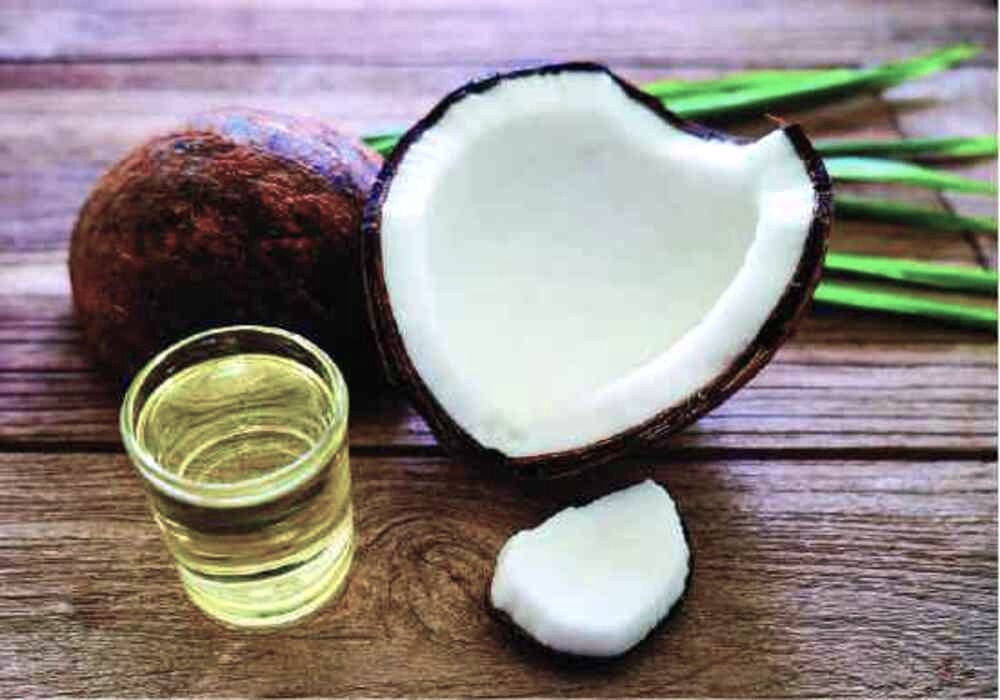
Indonesia’s Advantage in Coconut Oil Production
Indonesia’s dominance in coconut oil exports is not accidental. It is supported by natural, agricultural, and industrial advantages that few countries can match.
Key strengths include:
- Abundant raw material supply from sustainably managed coconut plantations
- Year-round harvest cycles, ensuring stable production
- Skilled labor and processing expertise built over generations
- Strategically located ports for efficient global shipping
A modern Coconut Oil Processing Plant Indonesia integrates these advantages into a streamlined production system capable of meeting international demand.
What Happens Inside a Coconut Oil Processing Plant Indonesia?
A coconut oil processing plant is more than just a factory—it is a carefully controlled system designed to ensure efficiency, hygiene, and quality consistency.
Main Processing Stages
- Copra or Fresh Coconut Selection
- Only mature coconuts with optimal oil content are used
- Strict sorting removes damaged or contaminated material
- Drying and Preparation
- Copra is dried to reduce moisture
- Proper drying improves oil yield and shelf life
- Mechanical Pressing or Extraction
- Oil is extracted using expellers or presses
- This stage determines clarity and purity
- Filtration and Settling
- Impurities are removed naturally or mechanically
- Produces clean crude coconut oil suitable for export
Each Coconut Oil Processing Plant Indonesia follows internationally accepted practices to ensure product safety and consistency.
Types of Coconut Oil Produced in Indonesia
Processing plants in Indonesia are flexible and capable of producing various grades of coconut oil depending on market needs.
Common product categories include:
- Crude Coconut Oil (CCO) for industrial and refining purposes
- RBD Coconut Oil for food and cosmetic industries
- Copra-based Coconut Oil for biodiesel and oleochemical use
This versatility makes Indonesia a preferred origin for buyers sourcing in bulk.
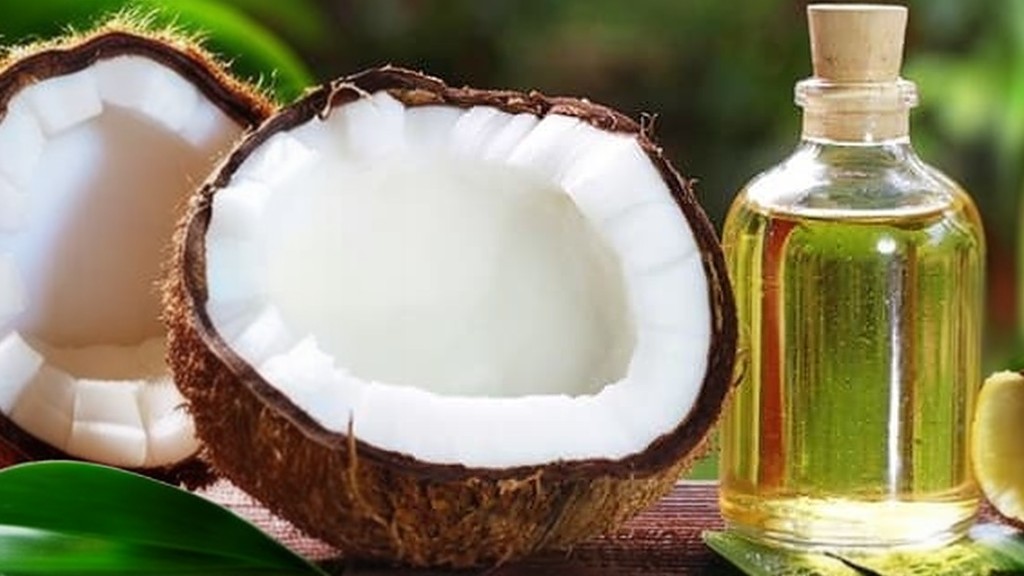
Industrial Applications Driving Global Demand
One major reason behind the growth of the Coconut Oil Processing Plant Indonesia sector is the wide range of industrial applications.
Key Industries Using Coconut Oil
- Food Industry
- Cooking oil, bakery fats, confectionery ingredients
- Cosmetics & Personal Care
- Soaps, shampoos, lotions, creams
- Oleochemical Industry
- Fatty acids, surfactants, detergents
- Renewable Energy
- Biodiesel and bio-lubricants
These applications require stable supply, consistent specifications, and scalable volumes—qualities that Indonesian processing plants are built to deliver.
Quality Standards and Export Compliance
International buyers demand more than volume; they require compliance with strict quality and safety regulations. A reputable Coconut Oil Processing Plant Indonesia is designed to meet these expectations.
Quality Control Measures Include:
- Moisture and impurity testing
- Free fatty acid (FFA) monitoring
- Iodine value and fatty acid profile analysis
- Clean storage and container loading procedures
These standards ensure that coconut oil from Indonesia is accepted in demanding markets across Asia, Europe, and North America.
Sustainability and Ethical Sourcing
Sustainability has become a decisive factor in global sourcing decisions. Many buyers prefer working with suppliers whose processing plants support ethical and environmentally responsible practices.
A modern Coconut Oil Processing Plant Indonesia often supports sustainability through:
- Partnership with smallholder farmers
- Waste reduction and by-product utilization
- Energy-efficient processing systems
- Responsible land and water management
This commitment enhances long-term supply stability while aligning with global ESG expectations.

Logistics and Export Readiness
Indonesia’s coconut oil processing plants are strategically located near major ports, making international shipment efficient and cost-effective.
Export Advantages
- Bulk loading in flexibags or drums
- Containerized shipping for global routes
- Full export documentation support
- Experience serving multiple international markets
A well-established Coconut Oil Processing Plant Indonesia ensures smooth logistics from factory to destination port.

Why Global Buyers Choose Indonesia
International buyers continue to shift sourcing toward Indonesia due to reliability, scale, and long-term partnership potential.
Top reasons include:
- Competitive pricing without sacrificing quality
- Large-volume production capacity
- Stable supply chains supported by local agriculture
- Proven export experience
By working directly with a trusted Coconut Oil Processing Plant Indonesia, buyers gain better transparency and control over their supply.
Choosing the Right Coconut Oil Processing Partner
Selecting the right supplier is crucial for long-term success. Buyers should evaluate more than just price.
Important criteria include:
- Production capacity and consistency
- Quality assurance systems
- Export documentation experience
- Communication and responsiveness
A professional Coconut Oil Processing Plant Indonesia acts not only as a supplier but as a strategic partner.
Future Outlook of Coconut Oil Processing in Indonesia
With increasing demand from food, cosmetic, and renewable energy sectors, Indonesia’s coconut oil industry is positioned for strong growth.
Key trends include:
- Expansion of processing capacity
- Greater focus on traceability and sustainability
- Rising demand for industrial-grade coconut oil
The role of the Coconut Oil will become even more critical in meeting future global needs.
Conclusion: Partner with a Reliable Coconut Oil Processing Plant Indonesia
Indonesia stands at the center of the global coconut oil trade. Supported by abundant resources, skilled processing, and export-ready infrastructure, the country offers unmatched opportunities for international buyers.
Choosing the right Coconut Oil means securing consistent quality, reliable supply, and a long-term partnership in a growing global market. If you are looking for a dependable source of coconut oil for industrial or commercial use, now is the right time to connect and explore collaboration opportunities.

