

For buyers seeking competitive and reliable Crude Coconut Oil price ?, Sukatani Group is a trusted supplier you can count on. Our production is sourced directly from Indonesia’s rich coconut regions, ensuring consistent quality and export-ready standards.
Each batch of CCO is:
- Carefully selected from premium coconuts
- Naturally processed to maintain purity
- Packed and prepared for 40-ft container shipments
- Supported with complete and accurate export documentation
- The Best Crude Coconut Oil Factory
With a proven history of supplying to China, Thailand, Vietnam, and other international markets, we offer dependable service and attractive price options available under both FOB and CIF terms.
📞 Contact Sukatani Group
WhatsApp: +62 811 7810 991
📍 Office: Jalan Karya Baru, Palembang, Indonesia
🌍 Loading Point: KM 50 Tanjung Api-Api, Banyuasin, South Sumatra

Understanding Crude Coconut Oil Price: A Complete 1200-Word Guide for Global Buyers
In recent years, the global demand for Crude Coconut Oil (CCO) has surged significantly, especially across the food industry, cosmetics, pharmaceuticals, and renewable energy sectors. With this growing demand comes a critical question for importers, distributors, and manufacturers worldwide: What determines the Crude Coconut Oil price, and how can buyers secure the best rates for long-term supply?
This comprehensive guide explores the factors that influence the Crude Coconut Oil price, how global markets react to supply-demand cycles, essential tips for negotiating with suppliers, and why sourcing directly from trusted exporters—especially from Southeast Asian countries—can help you optimize cost, quality, and reliability.
If you are currently analyzing price trends, planning new procurement, or searching for a dependable CCO supplier, this article will give you the clarity you need.
1. What Is Crude Coconut Oil and Why Does Its Price Matter?
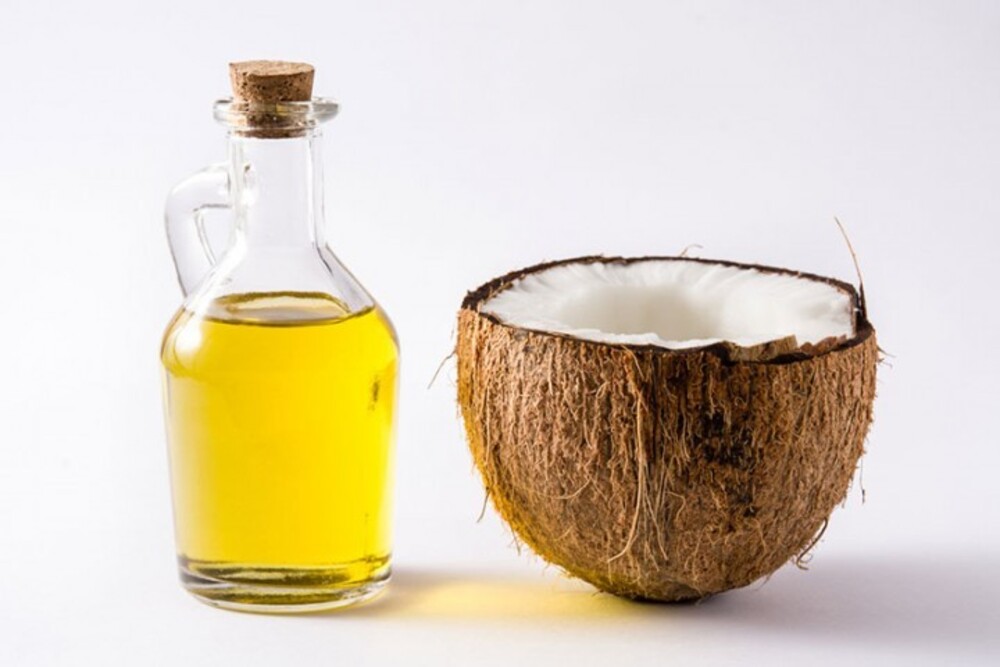
Crude Coconut Oil is the unrefined oil extracted from dried coconut meat (copra). It is rich in lauric acid, making it valuable for multiple industries. Because it is a core ingredient for downstream manufacturing, even a small change in Crude Coconut Oil price can significantly affect the cost structure of:
- soap manufacturers
- cooking oil refiners
- cosmetic companies
- chemical and industrial producers
- biodiesel manufacturers
- health supplement brands
Understanding the Crude Coconut Oil price is not just about knowing the market—it is about protecting your production budget, supply chain, and long-term competitiveness.
2. Key Factors That Influence Crude Coconut Oil Price
Several variables shape the global price of CCO. Below are the main elements that every buyer should understand before negotiating.
1. Copra Prices
Copra is the primary raw material used in CCO production. When copra prices rise due to low harvest or weather issues, the Crude Coconut Oil inevitably increases.
2. Seasonal Harvest Cycles
Coconut production follows natural cycles. During peak seasons, the market sees:
- higher copra supply
- stable production output
- lower Crude Coconut Oil price
Off-season periods often lead to reduced availability and price increases.
3. Weather and Natural Conditions
Climate heavily impacts coconut plantations. Events such as:
- heavy rain
- drought
- typhoons
- changes in soil moisture
4. Global Demand
Countries like India, China, Vietnam, the U.S., and Europe are major CCO importers. High demand from these regions often causes a rise in Crude Coconut Oil.
5. Export Policies
Government regulations—import duties, export taxes, and currency exchange rates—can also affect pricing trends.
6. Quality and Specification
Different buyers require different parameters, such as:
- FFA levels
- moisture max
- color
- filtration stage
Higher-quality specifications generally increase the price.

3. How Global Markets Shape the Crude Coconut Oil Price
The coconut oil market is deeply connected to global trade patterns. Let’s break down how international conditions influence daily pricing.
A. Competition From Other Vegetable Oils
The Crude Coconut Oil price often correlates with:
- palm oil prices
- soybean oil prices
- sunflower oil prices
When these alternatives become expensive, buyers switch to coconut oil, increasing demand and price.
B. Freight and Logistics Costs
Shipping rates are a major concern for bulk buyers. When container costs rise, the CIF (Cost, Insurance, and Freight) price for crude coconut oil increases as well.
C. Political and Economic Changes
Global events such as:
- geopolitical conflicts
- economic recession
- currency fluctuations
4. What Buyers Should Know About Current Price Trends
Businesses that rely on CCO should regularly monitor price fluctuations. Here are the key insights:
1. Increasing Demand for Natural Products
The shift toward natural and organic cosmetics has boosted demand for coconut oil derivatives.
2. Growing Biodiesel Production
Countries looking for renewable energy sources have increased their usage of CCO for biofuel processing—impacting the Crude Coconut Oil price.
3. Expanding Global Food Industry
The popularity of dairy-free, plant-based, and sustainable food products continues to rise, contributing to stronger CCO demand.
5. How to Evaluate Crude Coconut Oil Price From Suppliers
When requesting quotations, buyers should carefully analyze each component of the offer. A good supplier provides clear details such as:
1. Product Specification Sheet
This includes:
- FFA percentage
- moisture max
- impurities
- color standard (Lovibond)
- odor and appearance
2. Packaging Options
Different packaging affects the Crude Coconut Oil :
- steel drum
- flexi tank
- IBC tank
- jerry can
3. Price Based on Incoterms
Buyers should compare:
- FOB price
- CNF price
- CIF price
Each option includes different shipping responsibilities.
4. Monthly Supply Capacity
Evaluate whether the supplier can support long-term contract pricing.
5. Documentation Availability
Reliable exporters provide:
- COA
- MSDS
- SGS report
- Certificate of Origin
- Halal certificate
These documents add value to the quoted price.
6. Why Direct Factory Price Is Better for Importers
Many buyers now prefer obtaining prices directly from manufacturers. Here’s why:
A. No Middlemen
This ensures the most accurate and competitive Crude Coconut Oil.
B. Consistent Supply
Factories can guarantee monthly output, crucial for large-scale production.
C. Faster Communication
You deal directly with decision-makers who can adjust prices based on volume.
D. Custom Specifications
Factories can provide:
- adjusted FFA
- custom packaging
- filtration upgrades
- contract price lock
7. Tips for Negotiating Better Crude Coconut Oil Price
Here are practical strategies to secure the best deal:
1. Order in Bulk
Large volumes help manufacturers lower operational costs, which results in better pricing.
2. Sign Long-Term Contracts
This locks in the Crude Coconut Oil and protects you from market volatility.
3. Choose the Right Shipping Port
Ports with lower domestic charges can reduce overall export costs.
4. Request Flexible Incoterms
Sometimes switching from CIF to FOB can save shipping expenses.
5. Maintain Good Cooperation
Suppliers often provide better prices to consistent, long-term partners.
8. Common Mistakes Buyers Make When Analyzing CCO Prices
Understanding these helps protect your investment:
1. Comparing Prices Without Considering Specifications
Slight differences in FFA or moisture levels can significantly change the Crude Coconut Oil.
2. Ignoring Packaging Costs
Flexi tanks are cheaper but require minimum volume; drums cost more but suit smaller loads.
3. Focusing Only on the Lowest Price
Extremely cheap offers often indicate:
- poor quality
- unreliable delivery
- lack of export experience
4. Not Asking for Laboratory Reports
SGS or COA reports ensure the price reflects actual quality.
9. Future Forecast: Where Is the Crude Coconut Oil Price Heading?
Market analysts predict:
- Rising demand from Asia-Pacific and Middle East
- Growth in natural beauty products
- Increasing use of coconut oil in clean energy
These trends are likely to push the Crude Coconut Oil upward in the next several years. Buyers who secure stable suppliers now will gain long-term advantage.
10. Looking for the Best Crude Coconut Oil Price? Contact Us Today
If you are searching for competitive and factory-direct Crude Coconut Oil price, we are here to help. As a trusted supplier and exporter with extensive experience, we provide:
- premium-quality Crude Coconut Oil
- competitive bulk pricing
- custom packaging options
- complete export documentation
- fast and responsive communication
Whether you need monthly shipments or long-term contracts, our team is ready to support your business growth.
📩 Contact us today to receive a quotation, sample, or updated market pricing.
Let us help you secure the best Crude Coconut Oil and build a long-term partnership you can rely on.

