

Cold pressed coconut oil VS crude coconut oil serve different purposes in the global market, each offering distinct advantages depending on industrial and commercial needs. At Sukatani Group, we specialize in supplying high-quality raw coconut materials and crude coconut oil sourced directly from Indonesia’s fertile coconut plantations.
Our coconuts are fresh, export-grade, and carefully selected, ensuring consistency from harvest to processing. Using natural handling methods, we prepare products suitable for large-scale manufacturing, refining, and international trade. All shipments are organized for 40-foot container loading, supported by complete and accurate export documentation.
With established export relationships in China, Thailand, and Vietnam, Sukatani Group is recognized as a dependable crude coconut oil factory, delivering stable quality, transparent processes, and efficient logistics for global buyers.
📞 Contact Sukatani Group
WhatsApp: +62 811 7810 991
📍 Office Address: Jalan Karya Baru, Palembang, Indonesia
🌍 Collection Point: KM 50 Tanjung Api-Api, Banyuasin, South Sumatra

Cold Pressed Coconut Oil VS Crude Coconut Oil: Understanding the Key Differences for Global Buyers
The global coconut oil market continues to grow as industries seek natural, plant-based, and sustainable raw materials. Among the most discussed topics in this market is Cold Pressed Coconut Oil VS Crude Coconut Oil, a comparison that often confuses buyers, manufacturers, and importers. While both are derived from coconuts, they serve very different purposes and markets.
Understanding the difference between these two types of coconut oil is essential for making the right purchasing decision, especially for businesses operating in food processing, cosmetics, oleochemicals, and industrial manufacturing.

1. Overview of Coconut Oil Types
Coconut oil can be broadly categorized based on extraction method and level of processing.
Main Categories
- Cold pressed coconut oil
- Crude coconut oil
- Refined, bleached, and deodorized (RBD) coconut oil
The comparison of Cold Pressed Coconut Oil VS Crude Coconut Oil focuses on two raw forms that represent different quality levels, applications, and pricing structures.
2. What Is Cold Pressed Coconut Oil?
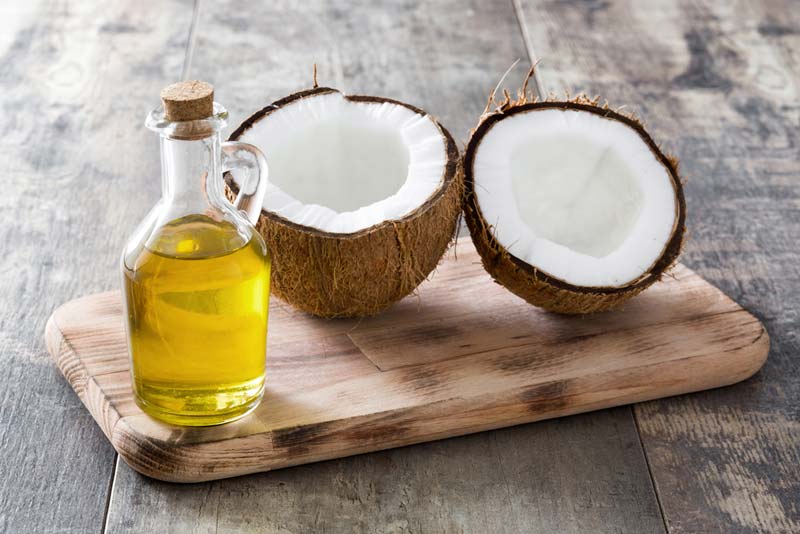
Cold pressed coconut oil is extracted from fresh coconut meat using mechanical pressure without applying high heat or chemicals.
Key Characteristics
- Extracted at low temperatures
- Retains natural aroma and nutrients
- Clear to slightly cloudy appearance
- Mild coconut taste
Cold pressed oil is commonly associated with premium, consumer-facing products and health-oriented markets.
3. What Is Crude Coconut Oil?
Crude coconut oil is produced from dried coconut meat (copra) and extracted using mechanical or expeller methods. It undergoes minimal processing and is intended for further refinement.
Key Characteristics
- Yellowish color
- Stronger coconut aroma
- Higher free fatty acid (FFA) content
- Requires refining before retail use
This distinction is a core element in the discussion of Cold Pressed Coconut Oil VS Crude Coconut Oil.
4. Production Process Comparison
The extraction process directly affects oil quality, stability, and cost.
Cold Pressed Process
- Fresh coconut selection
- Grating and pressing
- Natural filtration
- Bottling or bulk packaging
Crude Oil Process
- Copra drying
- Mechanical oil extraction
- Basic filtration
- Bulk storage for refining or export
This difference explains why cold pressed oil is produced in smaller volumes compared to crude coconut oil.

5. Nutritional and Chemical Differences
From a composition standpoint, both oils contain similar fatty acids, but processing creates noticeable differences.
Cold Pressed Coconut Oil
- Higher retention of antioxidants
- Minimal processing impact
- Preferred for direct consumption
Crude Coconut Oil
- Higher moisture and impurities
- Designed for industrial refining
- Not intended for direct retail sale
This is another important factor in Crude Coconut Oil decision-making.
6. Applications Across Industries
Different industries use coconut oil for different purposes.
Cold Pressed Coconut Oil Applications
- Health food products
- Dietary supplements
- Premium cosmetics
- Personal care formulations
Crude Coconut Oil Applications
- Food manufacturing after refining
- Oleochemical production
- Soap and detergent industry
- Biodiesel and industrial use
The versatility of crude oil makes it more suitable for large-scale production.
7. Market Demand and Buyer Profiles
Buyer expectations vary significantly between the two oil types.
Typical Cold Pressed Buyers
- Retail brands
- Health-conscious consumers
- Specialty food companies
Typical Crude Coconut Oil Buyers
- Refineries
- Industrial manufacturers
- Bulk importers and exporters
This contrast is central to understanding Cold Pressed Coconut Oil VS Crude Coconut Oil in global trade.
8. Pricing and Cost Efficiency
Price is often a decisive factor for international buyers.
Cost Comparison
- Cold pressed coconut oil has higher production costs
- Smaller production volumes increase price per metric ton
- Crude coconut oil offers economies of scale
For large-volume contracts, crude coconut oil remains the most cost-efficient option.
9. Storage and Shelf Life Considerations
Storage requirements also differ.
Cold Pressed Oil
- Sensitive to light and temperature
- Requires controlled storage
- Shorter shelf life
Crude Coconut Oil
- More stable for bulk storage
- Suitable for long-distance shipping
- Ideal for containerized export
This logistical advantage strengthens the industrial appeal of crude coconut oil.
10. Export and Shipping Perspective
From an export standpoint, crude coconut oil dominates international trade.
Why Exporters Prefer Crude Oil
- High-volume container loading
- Compatibility with flexibags and tanks
- Stable quality during transit
- Easier integration into refining processes
These factors reinforce the relevance of Cold Pressed Coconut Oil VS Crude Coconut Oil for importers planning large-scale operations.
11. Sustainability and Supply Chain Factors
Both oils can be produced sustainably when sourced responsibly.
Sustainability Highlights
- Support for coconut farmers
- Utilization of renewable resources
- Reduced waste through full coconut utilization
However, crude coconut oil supports broader industrial sustainability by enabling downstream processing in multiple sectors.
12. Choosing the Right Option for Your Business
Before making a purchase, buyers should evaluate their specific needs.
Ask These Key Questions
- Is the oil intended for direct consumption or further processing?
- What volume is required?
- What price range fits the business model?
- What regulatory standards must be met?
The answers will clearly define whether cold pressed or crude coconut oil is the right choice.
13. Why Many Global Buyers Choose Crude Coconut Oil
Despite the popularity of cold pressed oil in retail markets, crude coconut oil remains the backbone of the coconut oil trade.
Key Advantages
- Reliable bulk supply
- Competitive pricing
- Flexible refining options
- Wide industrial applications
This practical advantage is often highlighted in discussions of Cold Pressed Coconut Oil VS Crude Coconut Oil.
Conclusion: Making the Right Decision
The comparison of Cold Pressed Coconut Oil VS Crude Coconut Oil is not about which product is better overall, but which one fits your business objectives. Cold pressed coconut oil is ideal for premium, consumer-focused markets, while crude coconut oil is the preferred choice for large-scale manufacturing, refining, and international trade.
📩 Contact us today to discuss:
- Bulk crude coconut oil supply
- Export-ready quality specifications
- Containerized shipping options
- Long-term international partnerships
We are ready to support your business with reliable coconut oil solutions tailored to your market needs.

