
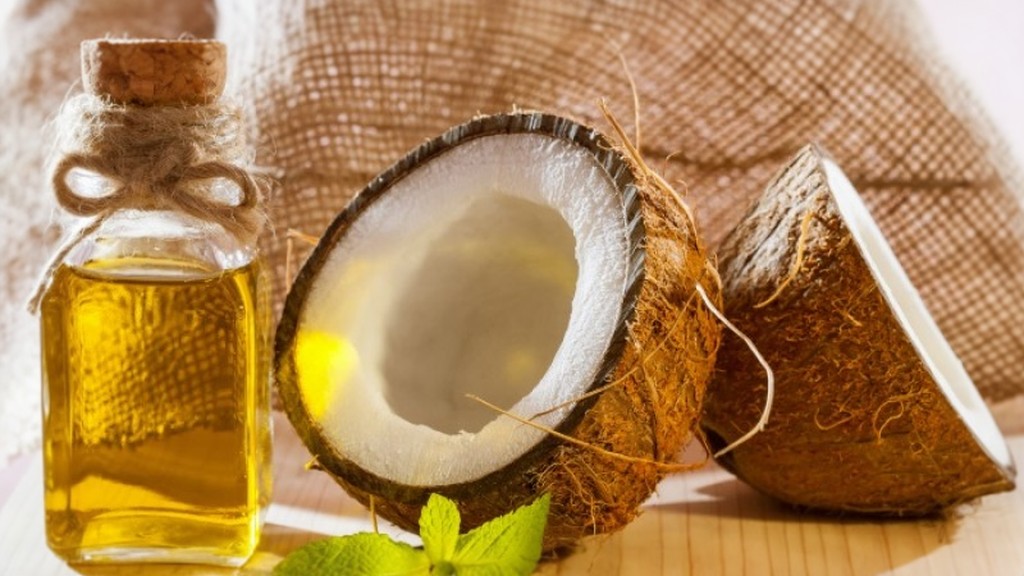
Virgin Coconut Oil VS Crude Coconut Oil are produced for different market needs. While VCO is commonly used for food and cosmetic applications, crude coconut oil is widely utilized as a raw material for refining, manufacturing, and industrial processing.
Sukatani Group supports global buyers by supplying export-grade Semi Husked Coconuts sourced directly from Indonesia’s productive plantations. Each coconut is carefully selected and handled through natural processing methods to maintain quality and consistency.
Our logistics system is designed for international trade, with products prepared for shipment in 40-foot containers. Backed by export experience to China, Thailand, and Vietnam, we ensure dependable quality, efficient documentation, and access to a trusted crude coconut oil factory.
Why Global Buyers Work with Sukatani Group
- Direct sourcing from Indonesian plantations
- Consistent export-grade quality control
- Reliable container loading and shipping support
- Proven international export track record
📞 Contact Sukatani Group
WhatsApp: +62 811 7810 991
📍 Office: Jalan Karya Baru, Palembang, Indonesia
🌍 Collection Point: KM 50 Tanjung Api-Api, Banyuasin, South Sumatra

Virgin Coconut Oil VS Crude Coconut Oil: A Complete Guide for Global Buyers and Industrial Users
The coconut oil industry continues to expand rapidly, driven by rising demand from food, cosmetic, pharmaceutical, and industrial sectors. One of the most common comparisons made by buyers and manufacturers is Virgin Coconut Oil VS Crude Coconut Oil, as both products originate from coconuts but serve very different purposes in the global market.
Understanding these differences is essential for importers, wholesalers, and manufacturers who want to source the right product efficiently and cost-effectively.

1. Understanding the Basics of Coconut Oil Types
Coconut oil is not a single, uniform product. It varies greatly depending on the raw material used, extraction method, and intended application.
Main Coconut Oil Categories
- Virgin coconut oil
- Crude coconut oil
- Refined coconut oil
The comparison of Virgin Coconut Oil VS Crude Coconut Oil focuses on two ends of the production spectrum: consumer-ready oil versus industrial raw material.
2. What Is Virgin Coconut Oil?
Virgin coconut oil (VCO) is extracted from fresh coconut meat using natural methods such as cold pressing or fermentation. No chemicals or high heat are involved.
Key Characteristics of Virgin Coconut Oil
- Clear to transparent color
- Mild, fresh coconut aroma
- Low free fatty acid (FFA) content
- Suitable for direct consumption
Virgin coconut oil is widely associated with wellness, nutrition, and premium personal care products.
3. What Is Crude Coconut Oil?
Crude coconut oil is produced from dried coconut meat known as copra. The oil is extracted mechanically and undergoes minimal processing, making it suitable for further refining.
Key Characteristics of Crude Coconut Oil
- Yellowish or light brown color
- Stronger coconut aroma
- Higher moisture and FFA levels
- Intended for industrial processing
This fundamental distinction plays a major role in the Virgin Coconut Oil VS Crude Coconut Oil discussion among international buyers.
4. Differences in Production Process
The production method significantly affects quality, price, and end-use.
Virgin Coconut Oil Production
- Selection of fresh coconuts
- Meat extraction and grinding
- Cold pressing or natural separation
- Filtration and packaging
Crude Coconut Oil Production
- Copra drying process
- Mechanical oil extraction
- Basic filtration
- Bulk storage for refining
Crude coconut oil is produced in much larger volumes, making it more suitable for export and industrial demand.

5. Chemical Composition and Quality Standards
While both oils contain lauric acid and other medium-chain fatty acids, their chemical profiles differ due to processing.
Virgin Coconut Oil
- Higher antioxidant retention
- Minimal oxidation
- Strict food and cosmetic standards
Crude Coconut Oil
- Higher impurity levels
- Designed for refining and deodorizing
- Not intended for retail consumption
These differences highlight why Virgin Coconut Oil VS Crude Coconut Oil is not a quality debate, but a functional one.
6. Applications Across Different Industries
Each oil serves specific industries based on its characteristics.
Virgin Coconut Oil Applications
- Health supplements
- Functional foods
- Skincare and haircare products
- Natural cosmetics
Crude Coconut Oil Applications
- Food processing after refining
- Soap and detergent manufacturing
- Oleochemical and surfactant production
- Biodiesel and industrial uses
Crude coconut oil supports mass production and large-scale manufacturing worldwide.
7. Market Demand and Buyer Profiles
The buyer profile for each product is significantly different.
Typical Virgin Coconut Oil Buyers
- Retail brands
- Wellness companies
- Organic food distributors
Typical Crude Coconut Oil Buyers
- Oil refineries
- Industrial manufacturers
- Bulk commodity traders
This contrast further clarifies the real-world implications of Virgin Coconut Oil VS Crude Coconut Oil in international trade.
8. Pricing and Economic Considerations
Pricing plays a crucial role in sourcing decisions.
Cost Structure Comparison
- Virgin coconut oil requires fresh coconuts and careful handling
- Smaller batch production increases unit cost
- Crude coconut oil benefits from economies of scale
For buyers seeking competitive pricing and high volumes, crude coconut oil remains the preferred choice.

9. Storage, Shelf Life, and Logistics
Logistics is another key consideration for exporters and importers.
Virgin Coconut Oil
- Sensitive to temperature fluctuations
- Requires controlled storage
- Shorter shelf life
Crude Coconut Oil
- Stable during long-distance shipping
- Suitable for flexibags and tank containers
- Ideal for containerized exports
These advantages make crude coconut oil more practical for global distribution.
10. Sustainability and Supply Chain Perspective
Both oils can support sustainable practices when sourced responsibly.
Sustainability Factors
- Support for coconut farming communities
- Efficient use of coconut by-products
- Long-term agricultural sustainability
However, crude coconut oil contributes to sustainability on an industrial scale by supplying multiple downstream sectors.
11. How Buyers Should Choose the Right Product
Before placing an order, buyers should evaluate their business goals.
Key Questions to Consider
- Is the oil for direct consumer use or further processing?
- What volume is required monthly or annually?
- What price range aligns with profit margins?
- What certifications are necessary?
Answering these questions helps clarify the choice in the Virgin Coconut Oil VS Crude Coconut Oil comparison.
12. Why Crude Coconut Oil Dominates Global Trade
Despite the popularity of virgin coconut oil in retail markets, crude coconut oil remains the backbone of the coconut oil industry.
Main Advantages
- High availability
- Cost efficiency
- Flexibility for refining
- Broad industrial applications
These strengths make it the preferred option for long-term supply contracts.
Conclusion: Choosing the Right Coconut Oil for Your Business
The comparison of Virgin Coconut Oil VS Crude Coconut Oil shows that both products play essential roles in different markets. Virgin coconut oil is ideal for premium, health-focused products, while crude coconut oil is the foundation of large-scale food processing and industrial manufacturing.
📩 Contact us today to discuss:
- Bulk crude coconut oil supply
- Export-ready specifications
- Container loading options
- Long-term international partnerships
We are ready to support your business with reliable, consistent, and scalable coconut oil solutions.

