

Sukatani Group specializes in supplying Crude Coconut Oil Kosher certified produced from high-quality coconuts sourced in Indonesia. Our raw materials are carefully selected and processed under controlled conditions to meet international quality and Kosher compliance standards.
We support bulk export shipments using 40-foot containers and have a strong export track record serving markets such as China, Thailand, and Vietnam. With complete export documentation, stable supply capacity, and The Best Crude Coconut Oil Supplier, Sukatani Group is a reliable partner for long-term global buyers.
Choose Sukatani Group for consistent quality, transparent processes, and dependable international delivery.
📞 Contact Sukatani Group
WhatsApp: +62 811 7810 991
📍 Office Address: Jalan Karya Baru, Palembang, Indonesia
🌍 Collection Point: KM 50 Tanjung Api-Api, Banyuasin, South Sumatra

Crude Coconut Oil Kosher Certified: A Trusted Choice for Global Food and Industrial Markets
In the competitive global commodity market, certifications play a crucial role in building trust and expanding market access. One of the most important certifications demanded by international buyers today is kosher certification. Crude Coconut Oil Kosher Certified products are increasingly sought after by food manufacturers, cosmetic producers, and industrial users who prioritize quality assurance, traceability, and regulatory compliance.
As global demand for clean-label and ethically processed ingredients grows, sourcing Crude Coconut Oil Kosher Certified has become a strategic decision for businesses targeting premium and regulated markets.
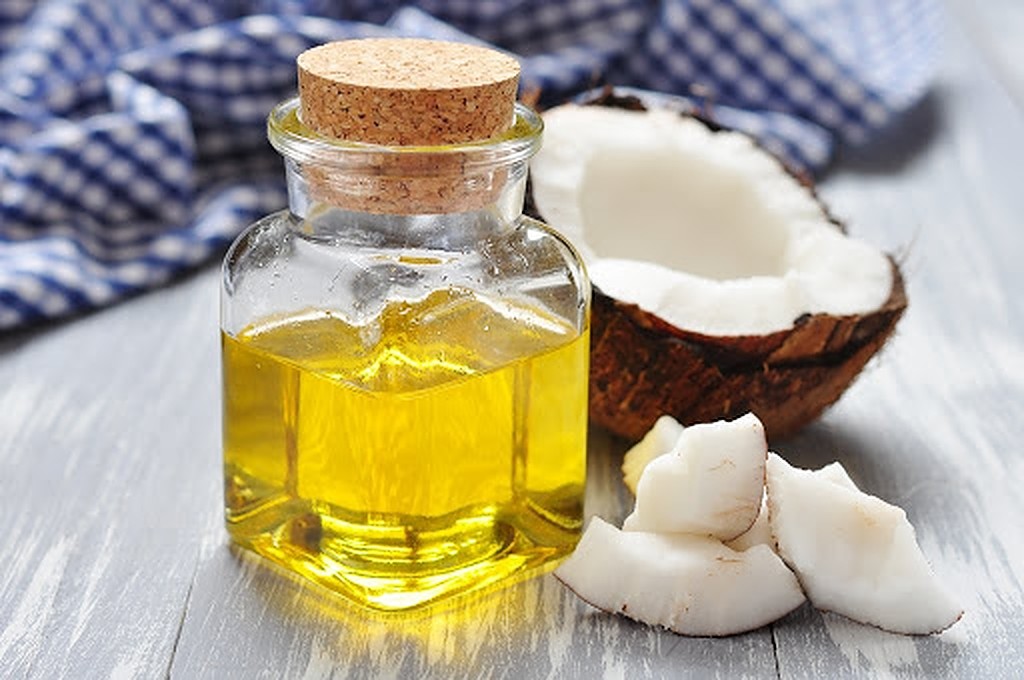
1. What Is Crude Coconut Oil Kosher Certified?
Crude Coconut Oil refers to crude coconut oil that has been processed, handled, and audited in accordance with Jewish dietary laws (kashrut). Certification is issued by authorized kosher agencies after a thorough inspection of the entire production chain.
This certification ensures that:
- Raw materials are naturally kosher
- No non-kosher substances are used during processing
- Equipment is properly cleaned and approved
- Storage and transportation maintain kosher integrity
For many buyers, kosher certification is a strong indicator of overall product discipline and cleanliness.
2. Why Kosher Certification Matters in Coconut Oil Trade
Kosher certification is no longer limited to religious consumers. Many multinational companies require kosher-certified raw materials for operational and quality reasons.
Key Benefits of Kosher Certification
- Wider acceptance in global markets
- Higher trust among international buyers
- Compatibility with food safety systems
- Reduced risk of cross-contamination
As a result, Crude Coconut Oil Kosher Certified products are often preferred over non-certified alternatives.
3. Global Market Demand for Kosher-Certified Coconut Oil
The demand for kosher-certified ingredients continues to grow across various industries.
Industries Driving Demand
- Food processing and edible oil refining
- Bakery, confectionery, and margarine production
- Cosmetic and personal care manufacturing
- Pharmaceutical and nutraceutical sectors
Many buyers view Crude Coconut Oil as a universal standard that simplifies compliance across different regions.
4. Kosher Certification Process for Crude Coconut Oil
Obtaining kosher certification involves strict monitoring and documentation.
Main Certification Steps
- Evaluation of coconut sourcing and copra handling
- Inspection of oil extraction facilities
- Review of processing aids and cleaning agents
- Audit of storage tanks and export containers
- Ongoing supervision and renewal audits
Only suppliers that consistently meet these requirements can offer Crude Coconut Oil Kosher Certified products to the global market.
5. Relationship Between Kosher Certification and Quality Standards
Kosher certification often complements international quality systems.
Quality Advantages
- Improved hygiene and sanitation
- Clear traceability from origin to shipment
- Better production consistency
- Stronger documentation practices
This is why Crude Coconut Oil is commonly associated with reliable and professional suppliers.
6. Applications of Crude Coconut Oil Kosher Certified
A. Food Industry
- Refining into edible coconut oil
- Ingredient for processed foods
- Bakery and confectionery fats
B. Cosmetic and Personal Care
- Soap and detergent manufacturing
- Skincare and haircare formulations
- Natural cosmetic bases
C. Industrial and Pharmaceutical Uses
- Capsule and supplement production
- Oleochemical processing
Across these applications, Crude Coconut Oil ensures regulatory acceptance and consumer confidence.

7. Kosher Certification vs Halal and Other Certifications
Kosher certification is often compared with halal certification.
Key Differences and Similarities
- Both emphasize cleanliness and traceability
- Kosher focuses on kashrut laws
- Halal focuses on Islamic compliance
- Many producers maintain both certifications
Suppliers offering Crude Coconut Oil Kosher Certified alongside other certifications gain access to broader markets.
8. Indonesia as a Source of Kosher-Certified Coconut Oil
Indonesia is one of the world’s leading coconut producers and a reliable source of certified coconut oil.
Why Buyers Choose Indonesia
- Abundant coconut plantations
- Naturally compliant raw materials
- Experienced export manufacturers
- Competitive pricing and logistics
Many international buyers source Crude Coconut Oil from Indonesia due to consistent quality and supply stability.
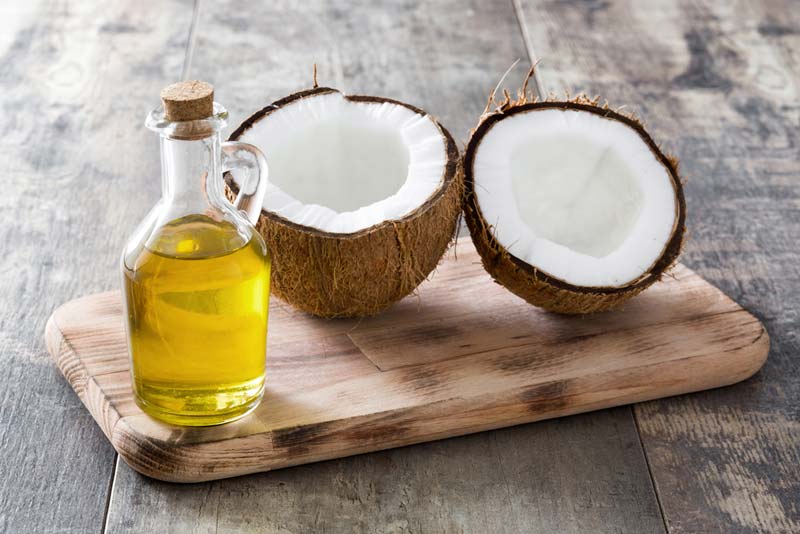
9. Role of Kosher Certification in International Trade
In export-oriented industries, certification simplifies regulatory processes.
Trade Advantages
- Easier acceptance in North America and Europe
- Strong appeal to multinational brands
- Reduced compliance risks
- Faster buyer approval cycles
Offering Crude Coconut Oil Kosher Certified significantly enhances a supplier’s credibility in international markets.
10. Storage, Handling, and Export Requirements
Maintaining kosher status requires strict handling protocols.
Key Handling Practices
- Dedicated kosher-approved tanks
- Proper cleaning and sealing procedures
- Clear labeling and documentation
- Controlled transportation systems
Professional exporters ensure Crude Coconut Oil integrity from factory to destination port.
11. How Buyers Can Verify Kosher Certification
Before purchasing, buyers should conduct verification.
Recommended Checks
- Valid kosher certificate from recognized authority
- Certificate of Analysis (COA)
- Production and cleaning records
- Export references and shipment history
These steps help confirm the authenticity of Crude Coconut Oil Kosher Certified products.
12. Choosing the Right Supplier for Kosher-Certified Coconut Oil
Selecting a trusted supplier ensures long-term partnership success.
What to Look For
- Active kosher certification
- Transparent quality control systems
- Export documentation expertise
- Flexible volume and specifications
A professional supplier understands that Crude Coconut Oil Kosher Certified is not just a requirement, but a value proposition.
Conclusion: Kosher Certification Builds Global Confidence
Crude Coconut Oil represents purity, reliability, and global acceptance. In an increasingly regulated and quality-driven market, kosher certification provides a powerful competitive advantage for both suppliers and buyers.
If you are seeking a trusted exporter of Crude Coconut Oil, we are ready to support your needs with consistent quality, transparent documentation, and reliable international shipments.
📩 Contact us today to request specifications, certificates, and customized supply solutions tailored to your target market.

