
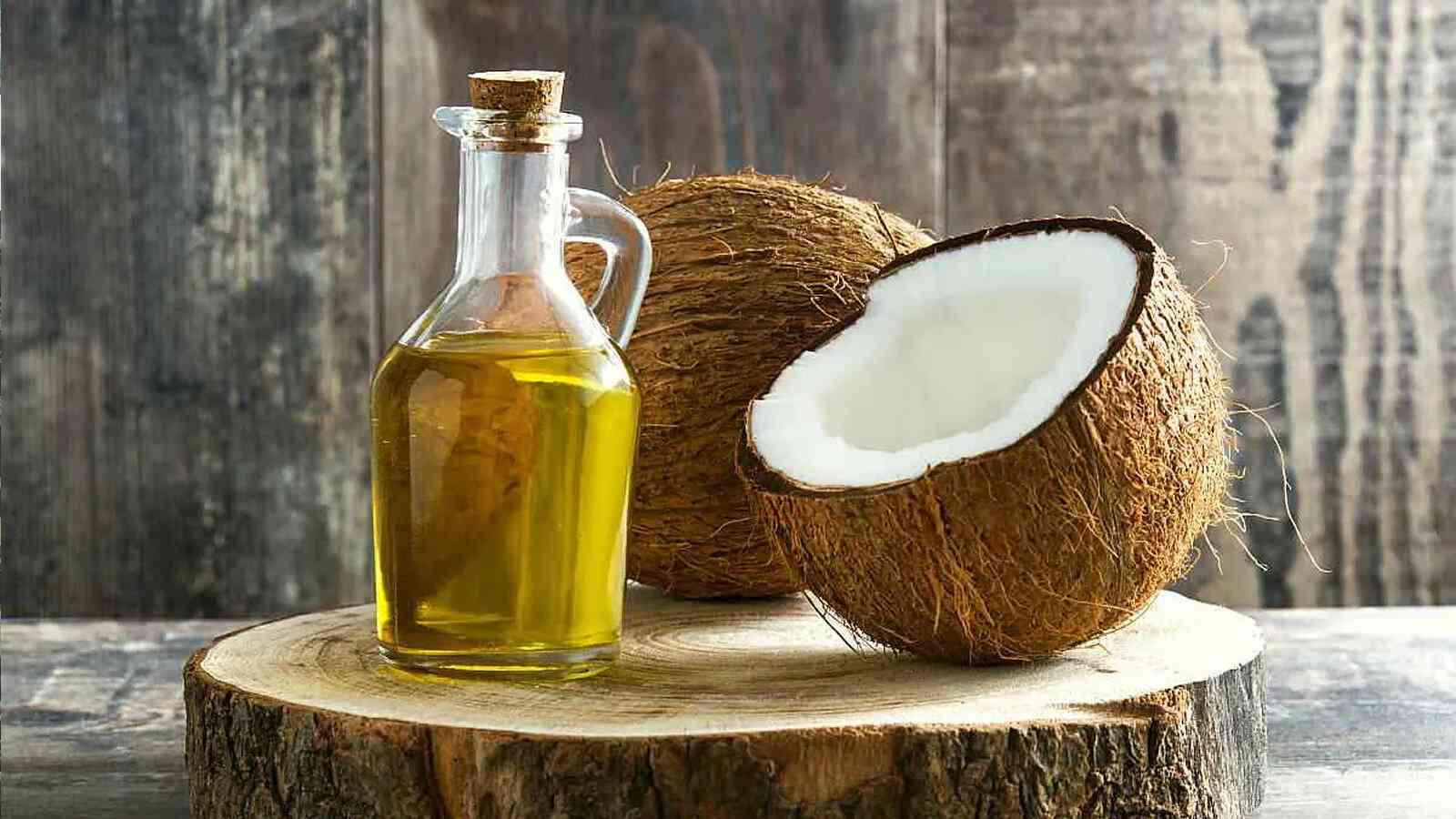
Sukatani Group delivers high-quality Crude Coconut Oil For Food Processing sourced from fresh, export-grade Semi Husked Coconuts grown in Indonesia’s fertile agricultural regions. Each batch is carefully selected and naturally processed to meet the demands of food processing applications.
Our products are export-ready in 40-foot containers and supported by extensive international shipping experience to destinations such as China, Thailand, and Vietnam. We ensure consistent quality, efficient export documentation, and The Best Crude Coconut Oil Supplier
Partner with Sukatani Group to secure a dependable supply of Crude Coconut Oil for your food processing operations.
📞 Sukatani Group – Contact Information
WhatsApp: +62 811 7810 991
📍 Office Address: Jalan Karya Baru, Palembang, Indonesia
🌍 Collection Point: KM 50 Tanjung Api-Api, Banyuasin, South Sumatra

Crude Coconut Oil For Food Processing: A Versatile Ingredient for the Global Food Industry
In today’s competitive food industry, manufacturers are constantly looking for ingredients that are stable, functional, cost-effective, and suitable for large-scale production. One ingredient that continues to gain strong global demand is Crude Coconut Oil For Food Processing. Known for its natural composition, excellent stability, and wide application range, crude coconut oil has become a strategic raw material for many food processors around the world.
Sourced primarily from coconut-producing countries like Indonesia, crude coconut oil plays a critical role in supporting food manufacturing processes that require reliable performance, consistent quality, and scalable supply.
1. What Is Crude Coconut Oil For Food Processing?
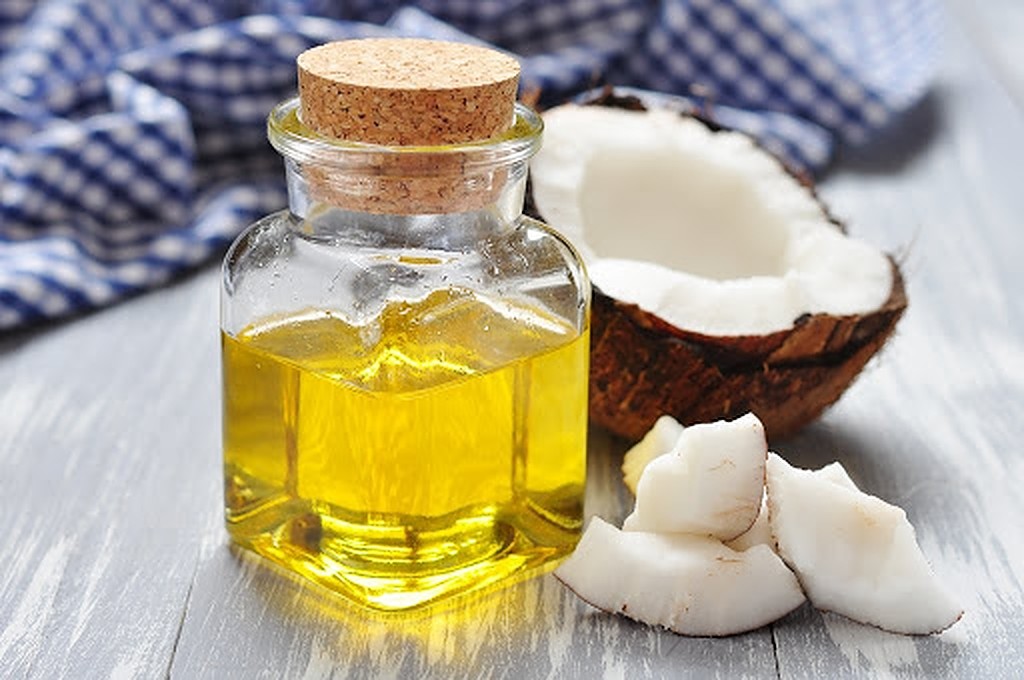
Crude Coconut Oil For Food Processing is oil extracted from dried coconut meat (copra) through mechanical pressing. Unlike refined coconut oil, this product does not undergo bleaching or deodorization, allowing it to retain its natural fatty acid structure.
Key Characteristics
- Natural coconut aroma
- High content of saturated fats
- Excellent oxidative stability
- Semi-solid at room temperature
- Suitable for further refining or direct industrial use
Because of these properties, Crude Coconut Oil For Food Processing is commonly used as a base oil in various food manufacturing applications before final refinement or formulation.
2. Why the Food Industry Uses Crude Coconut Oil
Food processors choose crude coconut oil not only for its availability but also for its functional advantages in production environments.
Main Reasons for Usage
- High Heat Stability
Ideal for processes involving high temperatures such as frying and baking. - Long Shelf Life
Resistant to oxidation compared to many vegetable oils. - Consistent Performance
Maintains texture and structure in processed food products. - Neutral Functional Base
Easily refined or blended to meet specific food-grade standards. - Cost Efficiency
Competitive pricing when sourced directly from producing countries.
These benefits make Crude Coconut Oil For Food Processing a preferred raw material for manufacturers focused on efficiency and consistency.
3. Nutritional and Functional Profile
While crude coconut oil is mainly used for industrial food processing rather than direct consumption, its nutritional composition still matters.
Fatty Acid Composition
- Lauric Acid (C12): ~45–52%
- Myristic Acid (C14)
- Palmitic Acid (C16)
- Caprylic & Capric Acids (MCFA)
Functional Advantages in Food Processing
- Improves texture and mouthfeel
- Acts as a stable carrier fat
- Enhances product consistency
- Supports emulsification after refining
Due to its MCFA-rich structure, Crude Coconut Oil behaves differently from unsaturated oils, offering superior stability during manufacturing.

4. Applications of Crude Coconut Oil
One of the biggest strengths of this product is its versatility across multiple food sectors.
A. Cooking Oil Refining
Crude coconut oil serves as the primary raw material for:
- RBD coconut oil
- Frying oil
- Household cooking oil
B. Bakery and Confectionery Industry
Used in:
- Margarine production
- Shortening
- Cream fillings
- Biscuits and wafers
Benefits:
- Improves texture
- Provides stable fat structure
- Prevents product rancidity
C. Snack and Fried Food Processing
- Chips
- Crackers
- Fried snacks
Its high smoke point makes Crude Coconut Oil suitable for repeated heating cycles.
D. Processed Food Manufacturing
- Instant noodles
- Ready-to-eat meals
- Sauces and seasonings
E. Dairy Alternatives
- Plant-based creamers
- Coconut milk derivatives
- Non-dairy fats
5. Advantages Over Other Vegetable Oils
When compared to other commonly used oils, crude coconut oil offers unique benefits.
1. Versus Palm Oil
- Cleaner flavor profile after refining
- Higher lauric acid content
- Better oxidative stability
2. Versus Soybean Oil
- Lower polyunsaturated fat
- Longer shelf life
- More stable under heat
3. Versus Sunflower Oil
- Less prone to oxidation
- More suitable for industrial frying
These comparisons explain why Crude Coconut Oil continues to gain traction in large-scale food production.
6. Typical Specifications for Food Processing Use
Before procurement, buyers should understand standard parameters.
Common Specifications
- FFA (Free Fatty Acid): 2% – 5%
- Moisture & Impurities: Max 0.5%
- Color: Yellow to brown
- Odor: Natural coconut smell
- Melting Point: ±24–26°C
- HS Code: 151311
- Packaging Options:
- Steel drums
- Flexitanks
- IBC tanks
Professional suppliers of Crude Coconut Oil For Food Processing provide complete documentation including COA, MSDS, and export certificates.

7. Global Market Demand and Trends
The global demand for Crude Coconut Oil continues to grow due to:
- Rising processed food consumption
- Expansion of bakery and snack industries
- Increased demand for stable frying oils
- Growth of plant-based food products
- Strong refining capacity in Asia
Indonesia plays a key role as a major exporter, offering:
- Stable raw material supply
- Export-oriented processing facilities
- Competitive FOB and CIF pricing
- Reliable container and bulk shipments

8. How Food Manufacturers Use Crude Coconut Oil Strategically
Food manufacturers often integrate crude coconut oil into their supply chain in strategic ways.
Common Procurement Strategies
- Long-term supply contracts for price stability
- Bulk purchasing for cost efficiency
- Custom specifications based on refining needs
- Flexible packaging for different plant capacities
This makes Crude Coconut Oil an adaptable ingredient for both large and medium-scale manufacturers.
9. How to Choose the Right Supplier
Selecting the right exporter ensures product consistency and smooth operations.
Supplier Selection Checklist
- Proven export experience
- Transparent quality specifications
- Stable monthly production capacity
- Clear communication and documentation
- Competitive and flexible pricing
- Ability to provide samples
A reliable supplier of Crude Coconut Oil For Food Processing understands the technical requirements of the food industry.
10. Conclusion: A Reliable Raw Material for Food Processing Growth
Crude Coconut Oil For Food Processing is more than just a basic commodity—it is a strategic ingredient that supports efficiency, stability, and scalability in food manufacturing. From refining and frying to bakery and processed foods, its versatility and functional performance make it indispensable in today’s food industry.
If you are looking for a trusted source of Crude Coconut Oil, partnering with an experienced exporter ensures consistent quality, competitive pricing, and reliable global delivery.
Contact us today to discuss specifications, bulk orders, and long-term supply opportunities tailored to your food processing needs.

