
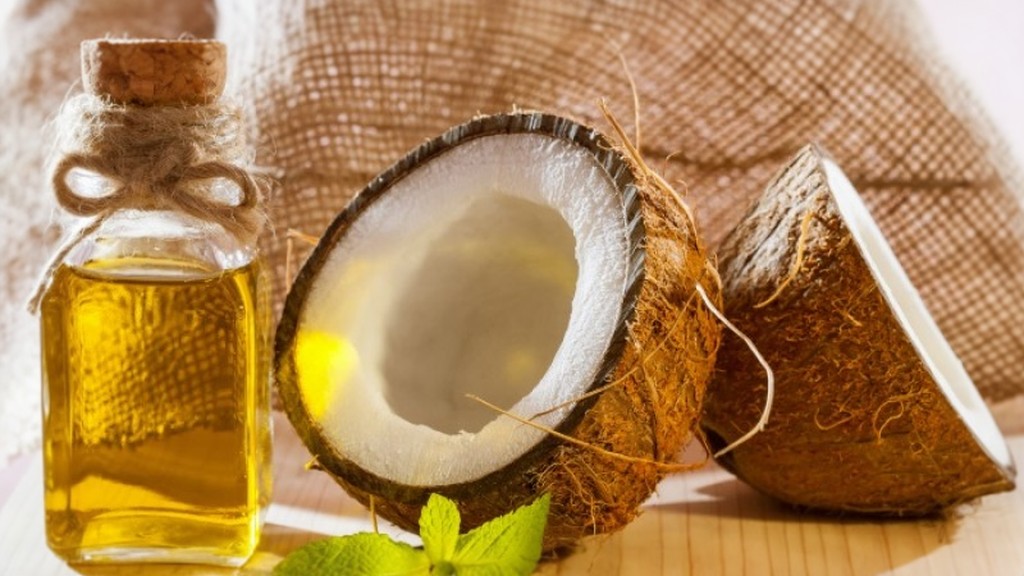
Sukatani Group provides Crude Coconut Oil Free Fatty Acid (FFA) levels, produced from carefully selected, export-grade Semi Husked Coconuts sourced from Indonesia’s fertile plantations. Our natural processing methods help maintain consistent oil quality suitable for various industrial applications.
We offer bulk shipments in 40-foot containers, backed by strong export experience to key markets including China, Thailand, and Vietnam. From quality assurance to complete export documentation, we ensure smooth transactions and we are the best crude coconut oil factory.
Choose Sukatani Group as your trusted partner for dependable Crude Coconut Oil supply.
📞 Contact Sukatani Group
WhatsApp: +62 811 7810 991
📍 Office Address: Jalan Karya Baru, Palembang, Indonesia
🌍 Collection Point: KM 50 Tanjung Api-Api, Banyuasin, South Sumatra

Crude Coconut Oil Free Fatty Acid: Understanding Quality, Value, and Industrial Importance
In the global vegetable oil market, quality parameters play a decisive role in determining usability, price, and market acceptance. One of the most critical indicators in coconut oil trading is Crude Coconut Oil. For buyers, refiners, and industrial users, understanding free fatty acid (FFA) levels is essential to ensure efficiency, product stability, and overall profitability.
As demand for coconut-based products continues to rise across food, cosmetic, and industrial sectors, Crude Coconut Oil has become a central topic in sourcing decisions, quality negotiations, and long-term supply contracts.
1. What Is Crude Coconut Oil Free Fatty Acid?
Crude Coconut Oil Free Fatty Acid refers to the percentage of fatty acids that have separated from triglycerides during processing, storage, or handling. In simple terms, FFA indicates the degree of oil degradation.
Why FFA Matters
- Determines oil quality
- Affects refining cost
- Influences shelf life
- Impacts final product yield
Lower Crude Coconut Oil levels generally indicate better handling of raw materials and more efficient processing systems.
2. How Free Fatty Acid Forms in Crude Coconut Oil
FFA increases naturally over time, but excessive levels usually indicate poor processing conditions.
Main Causes of High FFA
- Delayed copra drying after harvest
- Poor storage conditions (humidity, heat)
- Microbial or enzymatic activity
- Mechanical damage to copra
- Long storage before oil extraction
Professional producers manage these factors carefully to maintain acceptable Crude Coconut Oil Free Fatty Acid levels for export and industrial use.
3. Standard Free Fatty Acid Levels in the Market
Different industries accept different FFA ranges depending on their processing capabilities.
Common Market Ranges
- FFA 1% – 2%: Premium grade, higher price
- FFA 3% – 5%: Standard industrial grade
- FFA above 5%: Requires intensive refining
Most exporters offer Crude Coconut Oil levels around 3%–5%, which balance cost efficiency and refining feasibility.
4. Why Buyers Pay Close Attention to FFA
For industrial buyers, FFA is not just a number—it directly affects operational costs.
Impact on Refining
- Higher FFA requires more chemicals during neutralization
- Increased oil loss during refining
- Higher energy consumption
- Reduced final yield
By sourcing Crude Coconut Oil within controlled limits, refiners can significantly improve efficiency and margins.

5. Applications Influenced by Free Fatty Acid Levels
Different end uses require different FFA tolerances.
A. Food Processing Industry
- Lower FFA preferred
- Easier deodorization
- Better flavor profile after refining
B. Cosmetic & Personal Care
- Requires controlled FFA for consistency
- Affects odor and stability
C. Soap & Oleochemical Industry
- Higher FFA acceptable
- Can reduce saponification costs
D. Biodiesel Production
- FFA impacts transesterification efficiency
- Must be managed carefully to avoid processing issues
In all these sectors, Crude Coconut Oil directly determines processing strategy and final product quality.
6. Relationship Between FFA and Pricing
Free fatty acid levels strongly influence market price.
Pricing Factors
- Lower FFA = higher price per metric ton
- Higher FFA = lower base price but higher refining cost
- Consistent FFA = stronger long-term contracts
Experienced buyers analyze Crude Coconut Oil not only as a quality parameter but as a pricing negotiation tool.
7. Quality Control and Testing Methods
Professional exporters and buyers rely on standardized testing.
Common Testing Procedures
- Titration method (AOCS standard)
- Regular batch sampling
- Third-party laboratory verification
A reliable supplier provides:
- Certificate of Analysis (COA)
- Batch-specific FFA data
- Transparent quality reports
This transparency builds trust in Crude Coconut Oil Free Fatty Acid consistency.
8. Indonesia’s Role in Supplying Controlled FFA Coconut Oil
Indonesia is one of the world’s leading coconut producers and exporters, offering competitive advantages.
Why Indonesia Is Preferred
- Abundant coconut raw material
- Established copra processing infrastructure
- Export-oriented crude oil mills
- Competitive FOB and CIF pricing
- Flexible FFA specifications
Many buyers source Crude Coconut Oil products from Indonesia due to stable supply and export reliability.

9. How Manufacturers Reduce Free Fatty Acid Levels
Producers invest in process improvements to control FFA.
Key Practices
- Rapid copra drying after harvest
- Hygienic storage systems
- Controlled pressing temperatures
- Fast oil filtration
- Proper bulk storage tanks
These practices ensure Crude Coconut Oil remains within export-grade standards.
10. Choosing the Right Supplier Based on FFA
Selecting a supplier goes beyond price.
Supplier Evaluation Checklist
- Ability to meet FFA specifications consistently
- Clear documentation and testing records
- Experience in international trade
- Flexible packaging (drums, flexitanks, bulk)
- Transparent communication
A trusted supplier understands how Crude Coconut Oil affects your production chain.
11. Bulk Supply and Export Considerations
For bulk shipments, FFA stability is critical.
Export Best Practices
- Nitrogen blanketing (if required)
- Clean and sealed containers
- Temperature-controlled storage
- Short lead times from production to shipment
These measures protect Crude Coconut Oil levels during international transport.
12. Conclusion: Why FFA Defines Value in Crude Coconut Oil
Crude Coconut Oil Free Fatty Acid is more than a technical parameter—it is a key indicator of quality, cost efficiency, and processing performance. From food processing to oleochemical and biodiesel industries, understanding and controlling FFA ensures better yields, lower costs, and consistent output.
If you are searching for a reliable supplier of Crude Coconut Oil Free Fatty Acid with controlled specifications, working with an experienced exporter is the smartest move for your business.

