

Sukatani Group supplies high-quality Crude Coconut Oil moisture content, produced from carefully selected, export-grade Semi Husked Coconuts sourced from Indonesia’s fertile growing regions. Our natural processing standards help maintain oil consistency and meet international trade requirements.
We are experienced in bulk export shipments using 40-foot containers, serving international buyers in China, Thailand, and Vietnam. With reliable quality control, complete export documentation, and flexible CIF and FOB pricing, we are the best crude coconut oil factory.
Partner with Sukatani Group for a trusted source of Crude Coconut Oil that meets industrial and commercial specifications.
📞 Contact Sukatani Group
WhatsApp: +62 811 7810 991
📍 Office Address: Jalan Karya Baru, Palembang, Indonesia
🌍 Collection Point: KM 50 Tanjung Api-Api, Banyuasin, South Sumatra

Crude Coconut Oil Moisture Content: Why It Matters for Quality, Stability, and Global Trade
In the international coconut oil market, product quality is determined not only by appearance and aroma, but also by technical parameters that directly affect shelf life, safety, and processing efficiency. One of the most critical yet often overlooked parameters is Crude Coconut Oil.
For refiners, food processors, cosmetic manufacturers, and industrial buyers, understanding and controlling moisture content is essential. Excess moisture can reduce oil stability, increase the risk of spoilage, and raise refining costs. This is why professional buyers always request moisture specifications before signing a contract.
1. What Is Crude Coconut Oil Moisture Content?
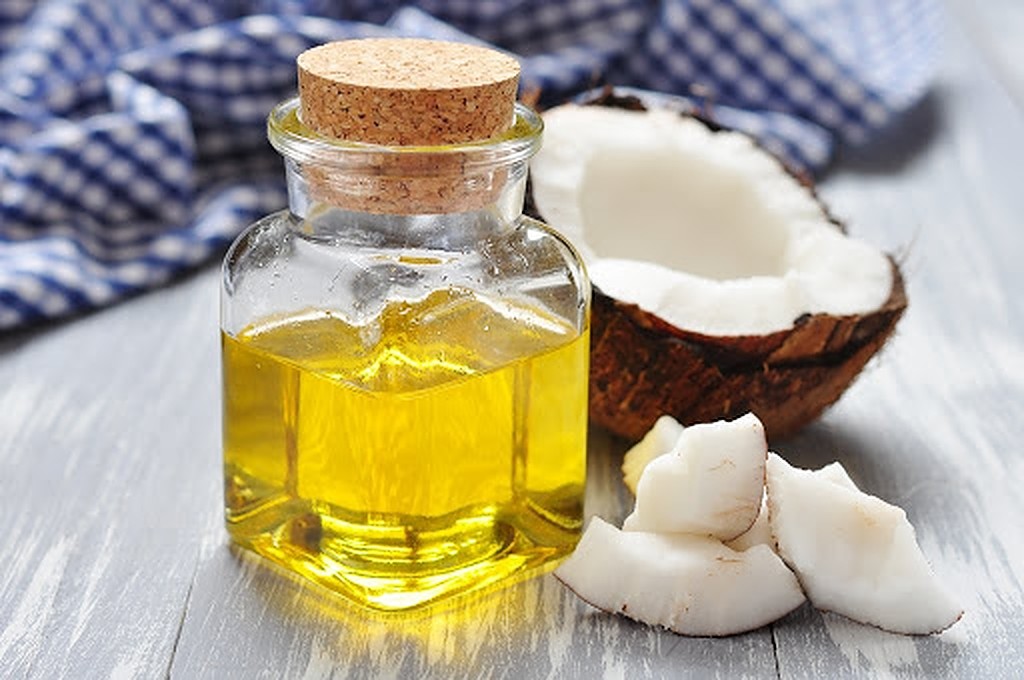
Crude Coconut Oil moisture content refers to the percentage of water present in crude coconut oil after extraction. Although coconut oil is a lipid-based product, trace amounts of water can remain due to processing, handling, or storage conditions.
In global trade, Crude Coconut Oil is usually expressed as a percentage by weight and tested using standardized laboratory methods.
Typical Industry Range
- ≤ 0.1% – High-quality export grade
- 0.1% – 0.3% – Acceptable industrial grade
- > 0.3% – High risk, requires additional treatment
2. Why Moisture Content Is a Critical Quality Indicator
Moisture may seem insignificant, but even small amounts can have serious consequences.
Key Impacts of High Moisture Content
- Accelerates hydrolysis, increasing free fatty acids
- Reduces shelf life during storage and shipping
- Encourages microbial growth
- Causes oxidation and off-odors
- Raises refining and filtration costs
This is why Crude Coconut Oil is a standard parameter in export specifications and certificates of analysis.
3. How Moisture Enters Crude Coconut Oil
Moisture contamination usually occurs during early processing stages.
Common Sources of Moisture
- Inadequately dried copra
- High humidity during storage
- Water contamination during oil extraction
- Poorly sealed storage tanks
- Condensation inside containers during shipment
Professional producers implement strict quality control to keep Crude Coconut Oil moisture content within acceptable limits.

4. Relationship Between Moisture Content and Free Fatty Acid (FFA)
Moisture and FFA are closely connected.
Why Moisture Raises FFA
- Water triggers enzymatic reactions
- Triglycerides break down into free fatty acids
- Oil quality degrades faster
As moisture increases, FFA levels rise, reducing the overall value of the oil. Maintaining low Crude Coconut Oil moisture content helps preserve stable FFA levels and improves refining efficiency.
5. Industry Applications and Moisture Requirements
Different industries have different tolerance levels for moisture.
A. Food Processing Industry
- Requires low moisture
- Ensures better deodorization
- Improves product safety and taste
B. Cosmetic & Personal Care
- Moisture affects texture and stability
- Can cause separation or odor issues
C. Soap and Oleochemical Industry
- More tolerant but still controlled
- Excess moisture increases processing cost
D. Biodiesel & Industrial Uses
- Moisture interferes with chemical reactions
- Requires pre-treatment if too high
In all sectors, Crude Coconut Oil plays a decisive role in process efficiency.
6. Moisture Content and International Trade Standards
Export buyers expect consistent specifications.
Common Trade Expectations
- Moisture content stated in COA
- Compliance with buyer’s specification
- Third-party lab testing
- Batch consistency
Suppliers who consistently control Crude Coconut Oil gain stronger buyer trust and long-term contracts.
7. Testing Methods for Moisture Content
Accurate testing is essential to avoid disputes.
Standard Testing Techniques
- Oven drying method
- Karl Fischer titration
- ASTM and AOCS standards
Reliable exporters provide:
- Moisture analysis reports
- Batch-level documentation
- Transparent quality records
This transparency ensures confidence in Crude Coconut Oil compliance.
8. How Producers Control Moisture Content
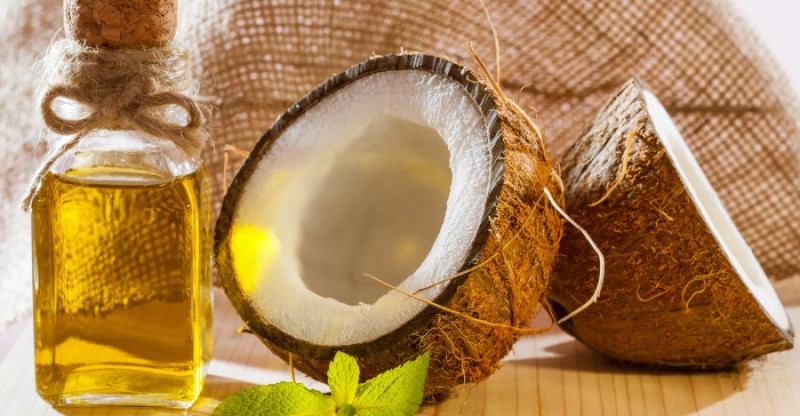
Maintaining low moisture requires discipline throughout the supply chain.
Best Practices
- Proper copra drying before pressing
- Controlled extraction temperatures
- Immediate oil filtration
- Dry and sealed storage tanks
- Regular tank inspection
These measures help maintain stable Crude Coconut Oil from production to shipment.
9. Packaging and Shipping Considerations
Even after production, moisture can increase during transport.
Export Logistics Best Practices
- Clean, dry containers or flexitanks
- Proper sealing to avoid condensation
- Avoid long exposure to temperature fluctuations
- Fast shipment turnaround
Proper logistics protect Crude Coconut Oil moisture content during international shipping.
10. Pricing Impact of Moisture Content
Moisture content directly influences price negotiations.
Pricing Factors
- Lower moisture = higher market value
- High moisture = higher refining loss
- Stable moisture = long-term supply contracts
Buyers often accept slightly higher prices for oil with guaranteed Crude Coconut Oil specifications.
11. Why Indonesian Crude Coconut Oil Is Competitive
Indonesia is one of the world’s leading coconut producers, offering advantages in quality control.
Indonesia’s Strengths
- Abundant coconut raw material
- Experienced copra processors
- Export-oriented production facilities
- Competitive FOB and CIF pricing
- Flexible moisture specifications
Many international buyers source Crude Coconut Oil controlled products from Indonesia for reliability and scalability.
12. Choosing the Right Supplier
Selecting the right supplier ensures long-term success.
What to Look For
- Clear moisture specifications
- Consistent quality reports
- Export experience
- Transparent communication
- Ability to supply in bulk
A professional supplier understands the commercial importance of Crude Coconut Oil moisture content and treats it as a priority.
Conclusion: Moisture Content Defines Crude Coconut Oil Quality
Crude Coconut Oil moisture content is not just a technical detail—it is a core quality parameter that affects stability, refining cost, shelf life, and market value. Buyers who understand moisture specifications gain better control over production outcomes and long-term profitability.
If you are looking for a trusted supplier of Crude Coconut Oil with controlled moisture content, working with an experienced exporter ensures consistent quality and smooth international trade.
