

Sukatani Group is ready to support your feed industry requirements. We supply premium-quality Crude Coconut Oil for animal feed produced from carefully selected, export-grade Semi Husked Coconuts harvested from Indonesia’s fertile plantations. Our production process ensures natural handling, consistent quality, and suitability for various animal feed formulations.
All products are prepared for export in 40-foot containers, backed by proven shipment experience to major markets including China, Thailand, and Vietnam. Clients trust Sukatani Group for:
- the best crude coconut oil supplier
- Hassle-free export documentation
- Competitive pricing for both CIF and FOB terms
If your business requires dependable Crude Coconut Oil for feed manufacturing, we are fully equipped to be your trusted supplier.
📞 Contact Sukatani Group
WhatsApp: +62 811 7810 991
📍 Office: Jalan Karya Baru, Palembang, Indonesia
🌍 Loading Point: KM 50 Tanjung Api-Api, Banyuasin, South Sumatra

Crude Coconut Oil For Animal Feed: A Natural Energy Solution for Modern Livestock Nutrition
The global animal feed industry is evolving rapidly as producers seek natural, efficient, and cost-effective ingredients to improve animal health and productivity. One ingredient that has gained strong attention in recent years is Crude Coconut Oil For Animal Feed. Derived from copra through mechanical pressing, crude coconut oil offers a powerful combination of energy density, digestibility, and functional benefits that make it ideal for various livestock and aquaculture applications.
As demand for sustainable and antibiotic-free feed ingredients grows, Crude Coconut Oil For Animal Feed stands out as a reliable solution for feed manufacturers, integrators, and nutrition formulators worldwide.
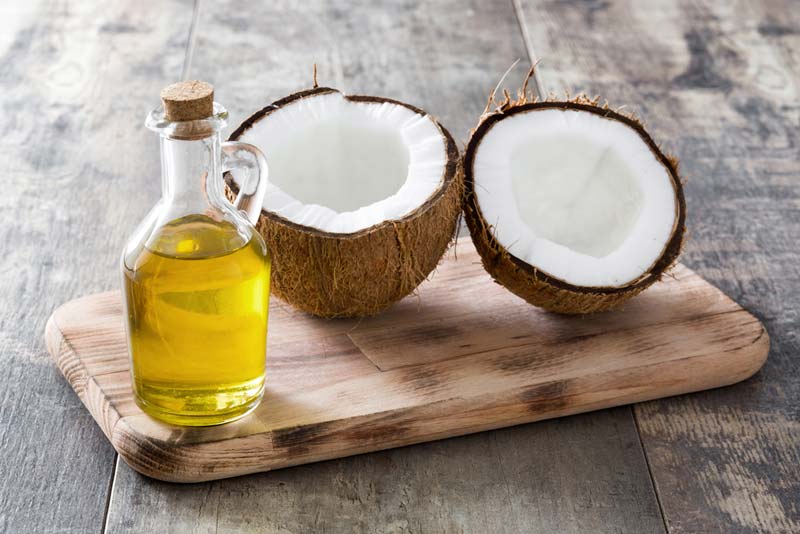
1. Understanding Crude Coconut Oil For Animal Feed
Crude Coconut Oil For Animal Feed is a non-refined oil extracted from dried coconut meat (copra). Unlike refined or deodorized oils, crude coconut oil retains its natural fatty acid profile, making it especially suitable for feed formulations.
Key Characteristics
- High in medium-chain fatty acids (MCFAs)
- Naturally rich in lauric acid
- Easily digestible by animals
- Stable during feed processing
- Suitable for bulk and industrial use
Because of these properties, Crude Coconut Oil For Animal Feed is widely used as an energy supplement rather than a flavoring or cosmetic ingredient.
2. Why Crude Coconut Oil For Animal Feed Is Gaining Popularity
Feed producers across poultry, swine, cattle, and aquaculture sectors are increasingly turning to coconut-based oils. The reasons are both nutritional and economic.
Main Reasons for Adoption
- High Energy Efficiency
MCFAs are quickly absorbed and converted into energy, supporting rapid growth. - Improved Digestibility
Especially beneficial for young animals with immature digestive systems. - Natural Antimicrobial Properties
Lauric acid helps control harmful bacteria in the gut. - Reduced Dependence on Antibiotics
Supports healthier digestion and immunity naturally. - Competitive Cost per Energy Unit
Often more efficient than conventional vegetable oils.
These advantages position Crude Coconut Oil For Animal Feed as a strategic ingredient in modern feed formulations.
3. Nutritional Profile and Functional Benefits
The strength of crude coconut oil lies in its unique fatty acid composition.
Major Nutritional Benefits
- Lauric Acid (C12): Supports immune function and gut health
- Capric & Caprylic Acids: Provide fast metabolic energy
- Low Polyunsaturated Fat: Better oxidative stability
- No Trans Fat: Safer for long-term animal health
Functional Advantages
- Enhances feed conversion ratio (FCR)
- Improves weight gain and growth uniformity
- Supports stress resistance during transportation or climate changes
- Improves palatability of feed mixes
Because of these benefits, Crude Coconut Oil performs well in both intensive and semi-intensive farming systems.
4. Applications Across Animal Feed Sectors
One of the strongest advantages of Crude Coconut Oil For Animal Feed is its versatility across multiple livestock categories.
A. Poultry Feed
- Broiler starter and grower diets
- Layer feed for improved energy balance
- Chick feed to support early growth
Benefits for Poultry:
- Faster weight gain
- Improved gut health
- Better feed intake consistency
B. Swine Feed
- Piglet starter feed
- Grower-finisher diets
- Sow feed for lactation energy
Benefits for Swine:
- Easier fat digestion
- Improved gut microbiota
- Reduced diarrhea risk in piglets
C. Ruminant Feed (Cattle & Dairy)
- Energy supplementation
- Support milk production
- Improve overall body condition
D. Aquaculture Feed
- Shrimp and fish feed formulations
- Enhanced survival rates
- Better immune response
E. Pet Food & Specialty Feed
- Coat and skin health
- Digestive support
- Natural energy source
Across all these sectors, Crude Coconut Oil For Animal Feed delivers consistent performance.
5. Typical Specifications of Crude Coconut Oil For Animal Feed
Before purchasing, buyers should understand standard quality parameters.
Common Specifications
- FFA (Free Fatty Acid): 2% – 5%
- Moisture & Impurities: Max 0.5%
- Color: Yellow to brown
- Odor: Natural coconut aroma
- Melting Point: ±25°C
- Density: ±0.915 g/cm³
- Packaging: Drums, jerry cans, IBC tanks, flexitanks
Professional suppliers of Crude Coconut Oil should provide:
- Certificate of Analysis (COA)
- MSDS
- Export documents
- Halal certification if required
6. Comparison With Other Feed Oils
To understand its value, it helps to compare crude coconut oil with other commonly used feed fats.
1. Versus Palm Oil
- Higher digestibility
- Faster energy release
- Better antimicrobial properties
2. Versus Soybean Oil
- Lower oxidation risk
- More stable fatty acid profile
- Better for young animals
3. Versus Animal Fats
- Cleaner, plant-based source
- Lower contamination risk
- More consistent quality
These comparisons show why Crude Coconut Oil is becoming a preferred option for feed formulators.
7. Global Market Demand and Supply Trends
Global demand for Crude Coconut Oil continues to rise due to:
- Expansion of poultry and aquaculture industries
- Shift toward natural feed ingredients
- Stricter regulations on antibiotic use
- Growing awareness of gut health in livestock
- Stable supply from coconut-producing regions
Indonesia remains one of the most reliable sources, offering:
- Abundant raw materials
- Export-ready processing facilities
- Competitive pricing
- Flexible shipping options
8. Buyer Guide: How to Choose the Right Supplier
Selecting the right supplier is critical for consistent feed production.
Buyer Checklist
- Verify production capacity and monthly output
- Request COA and technical specifications
- Check export experience and destination countries
- Confirm packaging and logistics options
- Evaluate price stability for long-term contracts
- Request samples for trial formulation
A professional supplier of Crude Coconut Oil will be transparent and responsive throughout the process.
9. Why Crude Coconut Oil For Animal Feed Is a Smart Investment
From both nutritional and commercial perspectives, crude coconut oil offers long-term value.
Key Advantages
- Improves feed efficiency
- Supports animal health naturally
- Reduces reliance on synthetic additives
- Compatible with modern feed processing
- Suitable for bulk and contract supply
These factors make Crude Coconut Oil a smart investment for feed manufacturers looking to improve product performance while controlling costs.
10. Conclusion: Partner With a Reliable Supplier
Crude Coconut Oil For Animal Feed is no longer just an alternative ingredient—it is a proven solution for energy-rich, digestible, and functional feed formulations. Its versatility across poultry, swine, ruminants, aquaculture, and pet food makes it an essential component in modern animal nutrition.
If you are seeking a stable supply of high-quality Crude Coconut Oil, working with an experienced exporter ensures consistent quality, reliable logistics, and competitive pricing.
Contact us today to discuss specifications, samples, pricing, and long-term supply opportunities tailored to your feed production needs.
